Places to Visit in Muscat
AOur tour in Oman was well-planned, followed by a whirlwind of enjoyment that seemed to disappear rapidly within two weeks, and any concern relating to this tour, except for booking tickets for five people, evaporated as soon as we arrived at the Shahjalal International Airport, Dhaka.
Throughout our two-week stay, we deliberately chose the most attractive and best places with natural beauty and architectural wonders, and among them, Mutrah took first place. As I said before, I have had a plan for Oman, especially for Salalah, ever since I saw a few YouTube videos about Salalah during Khareef (monsoon season). Oman is a familiar place for Bangladeshis. We stayed on the university campus for eight days, though each morning we used to get out to a specific place. Between our sightseeing in Muscat and the nearby areas with tourist attractions, we rarely missed the affinity of nature in the truly natural environment.
FIND YOUR HIGHLY PROFITABLE AD AGENCY
Muscat is a city that offers a diverse range of attractions, catering to travelers seeking different natural environments. I want to highlight the strategic locations we visited during our tour in Muscat. During Ramadan, the Royal Opera House was closed for renovation, so we chose the following noteworthy, beautiful, and remarkable places in Muscat.
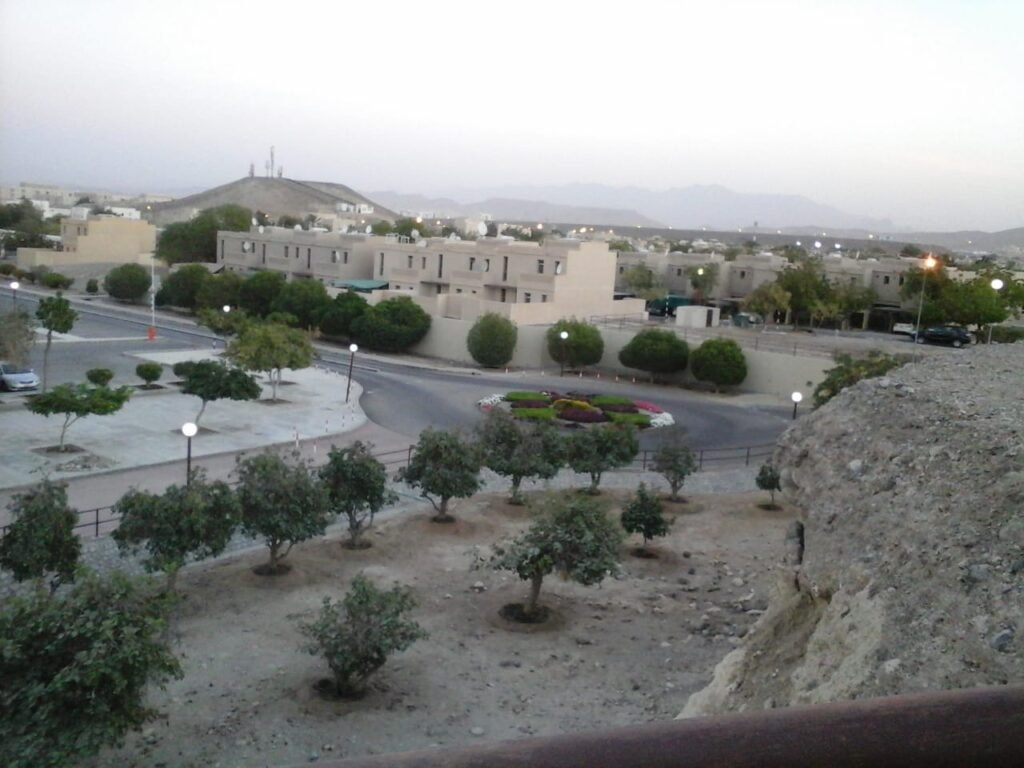
But my first impression of Oman was good, as I got valuable information about a multistory car parking zone from a Pakistani national who helped me find him at 3 am. It was time for suhoor as we reached the Sultan Qaboos University campus, seeing my close relatives; all our tiredness was wiped out after we had forgotten what time it was, day or night. So, our favorite, comfortable abode was a duplex house situated in the outermost part of the university campus, from where our entire Oman trip began and continued for two weeks.
CLICK HERE TO FIND A HIGHLY PROFITABLE ONLINE AD AGENCY
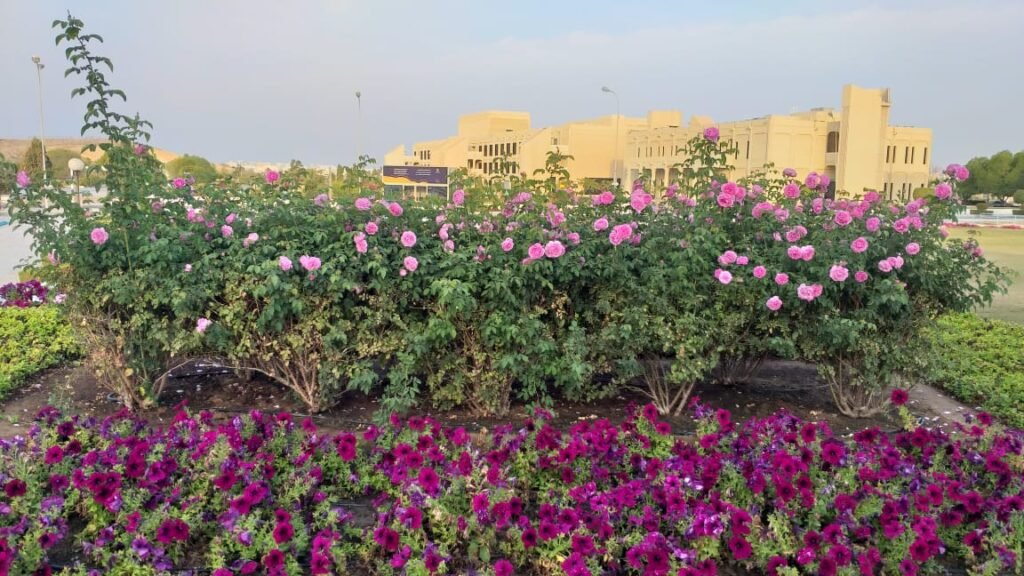
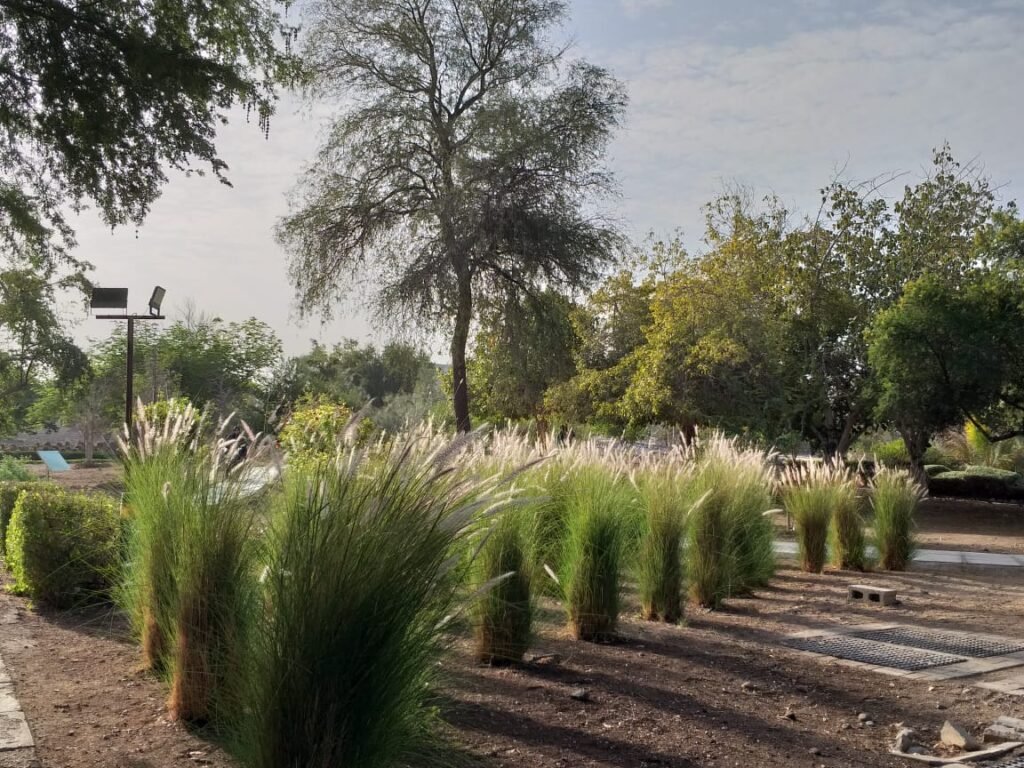
All myths will disappear soon, as unbelievable and breathtaking experiences await you if you are a dedicated nature lover and love to enjoy luxury amid nature. Trees, plants, and flowers have been my true friends since my boyhood, and I never missed the true color of nature, every year, every season, as they gradually changed with their tincture, hue, and scent.
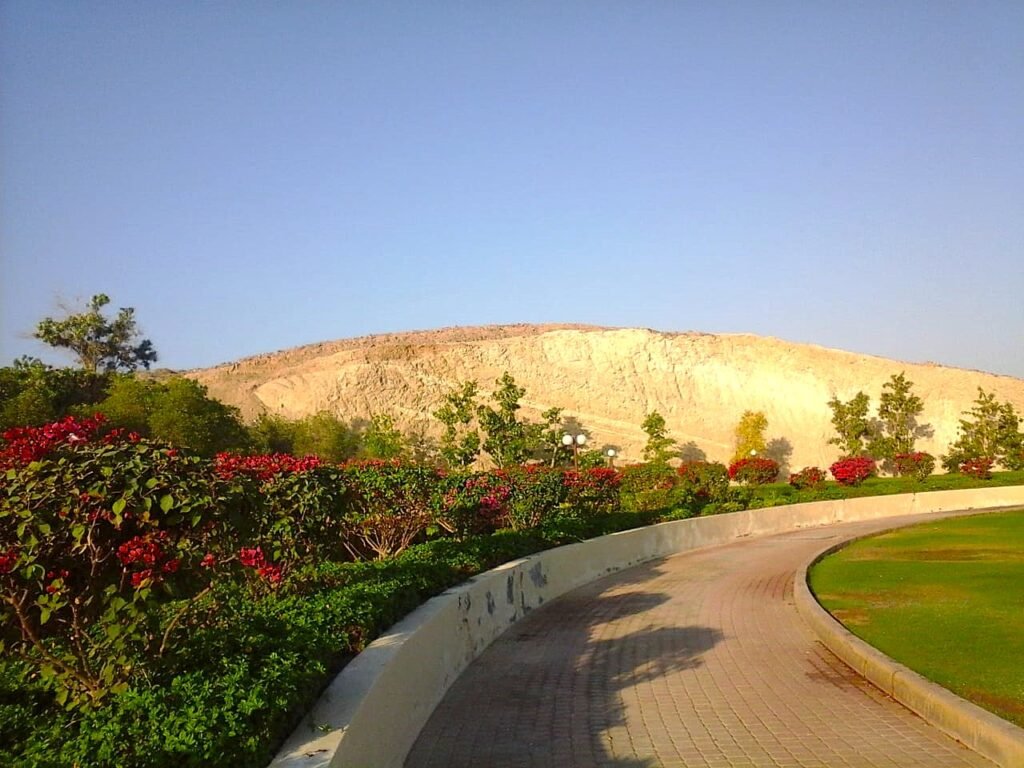
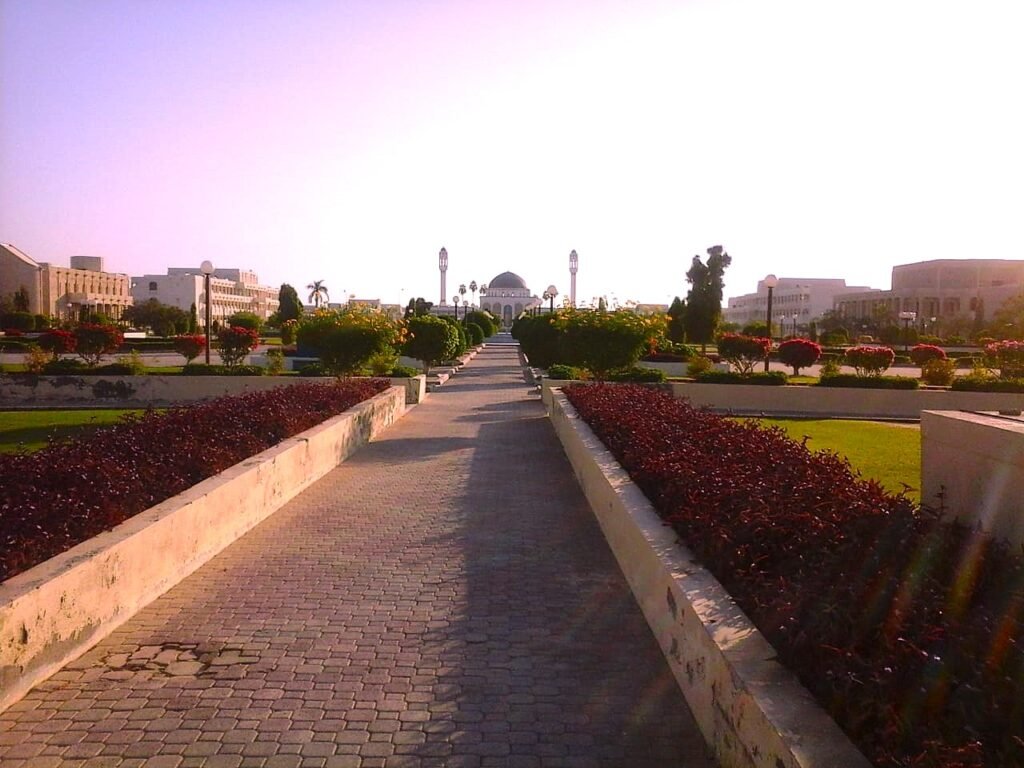
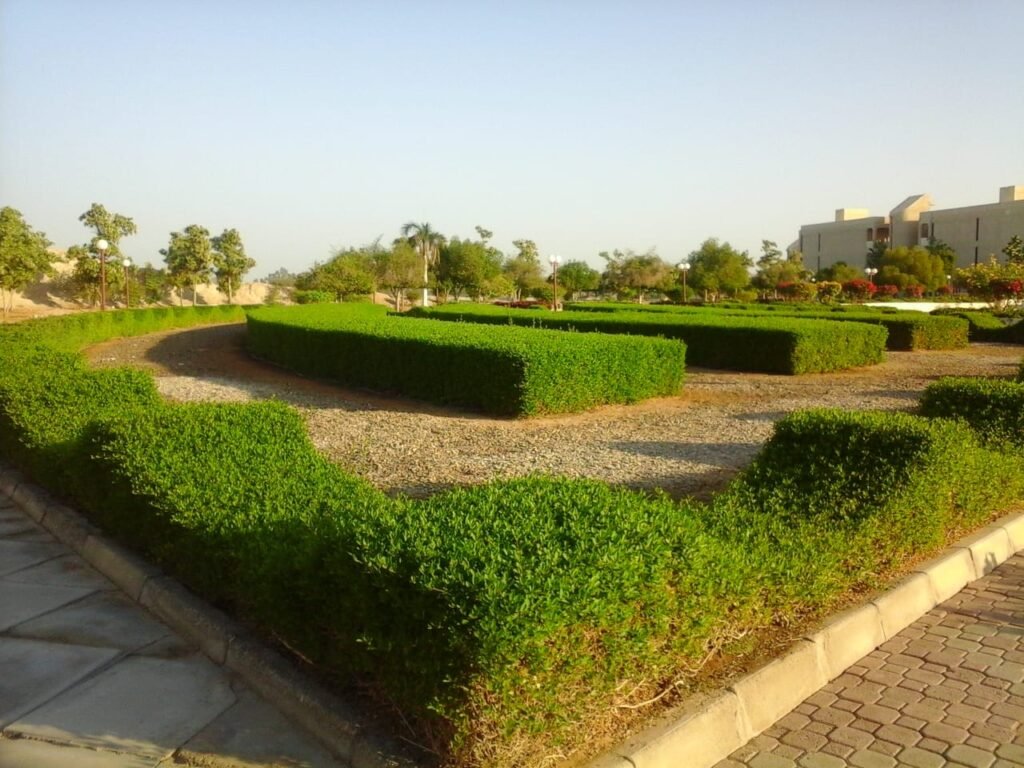
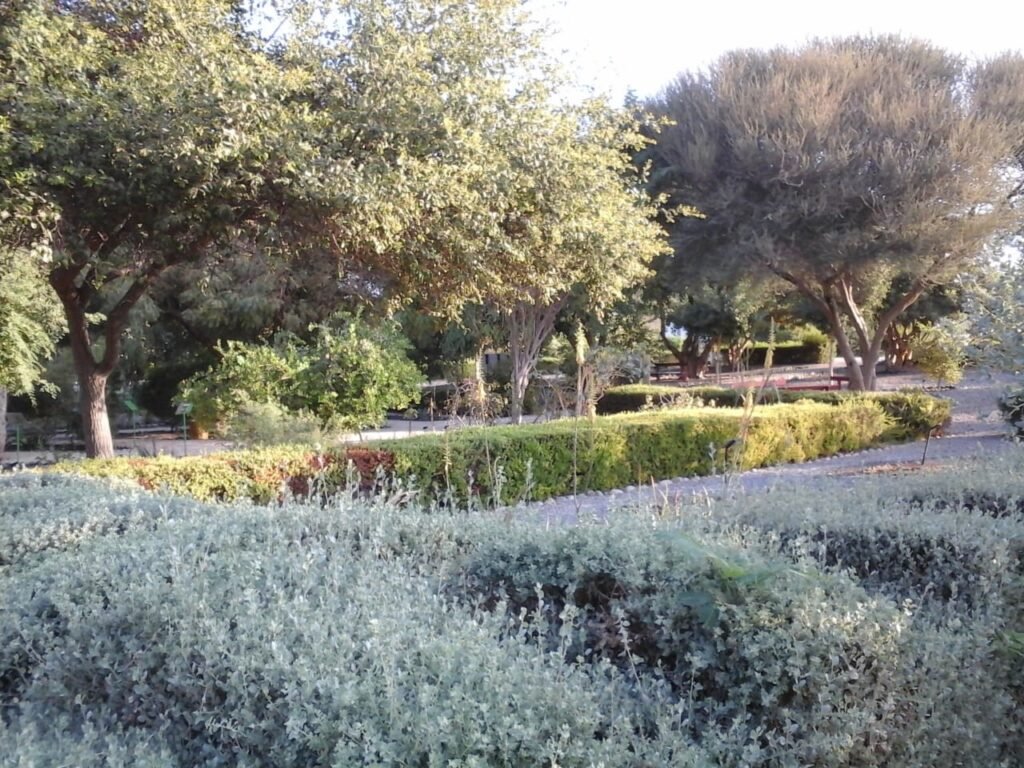
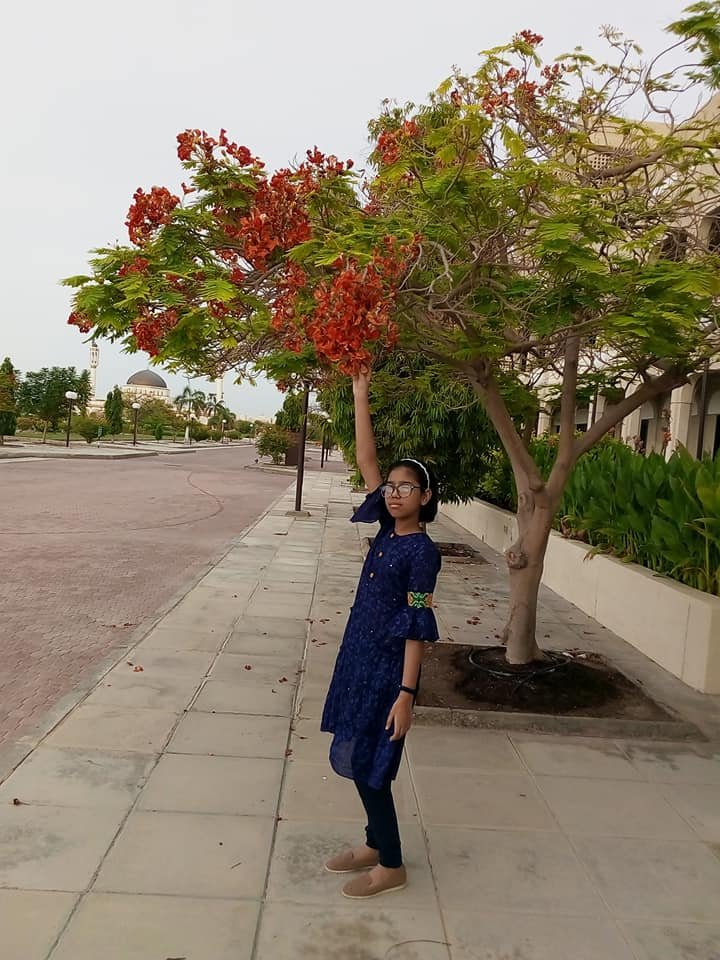
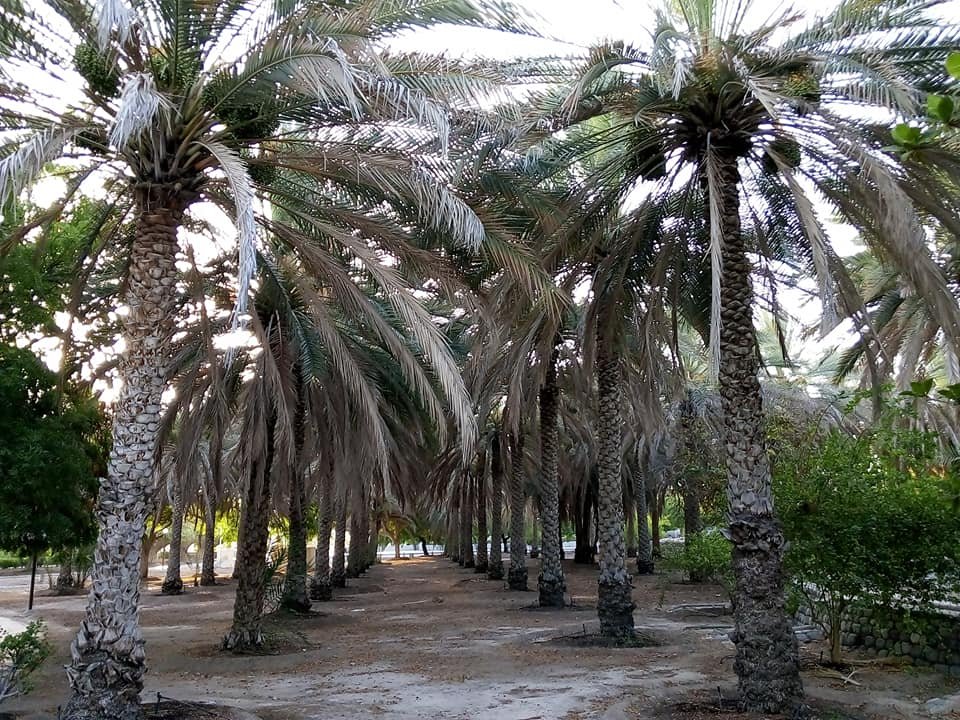
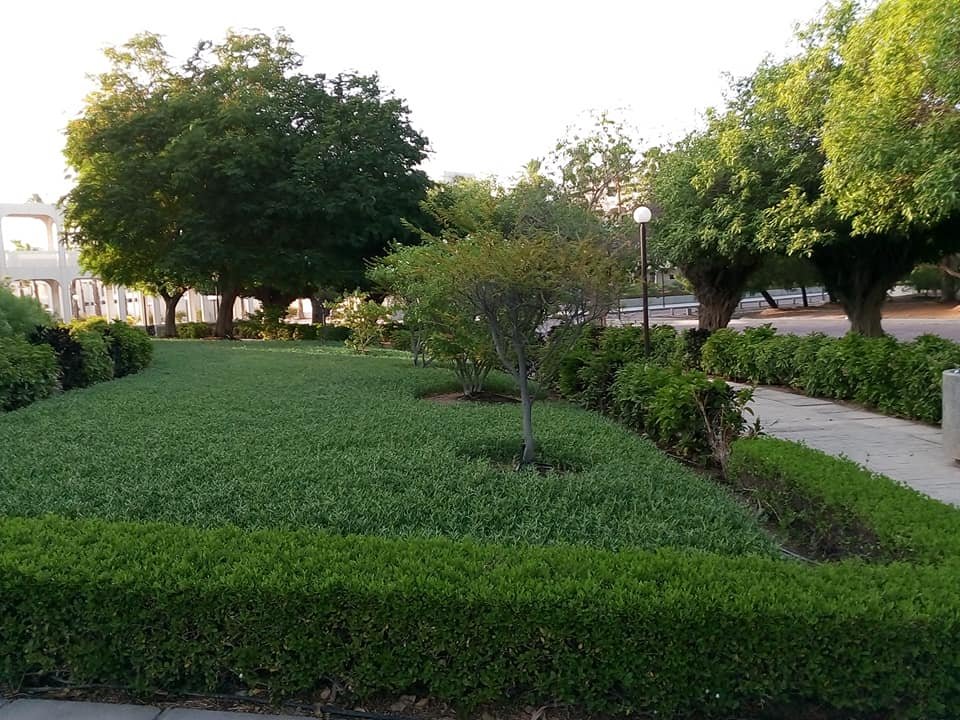
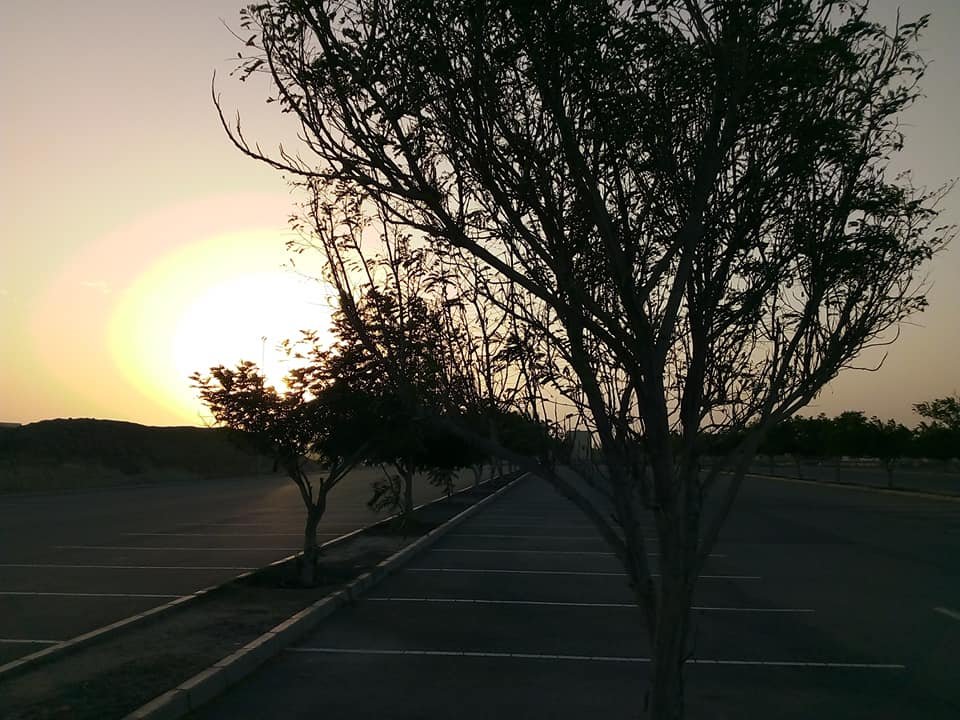
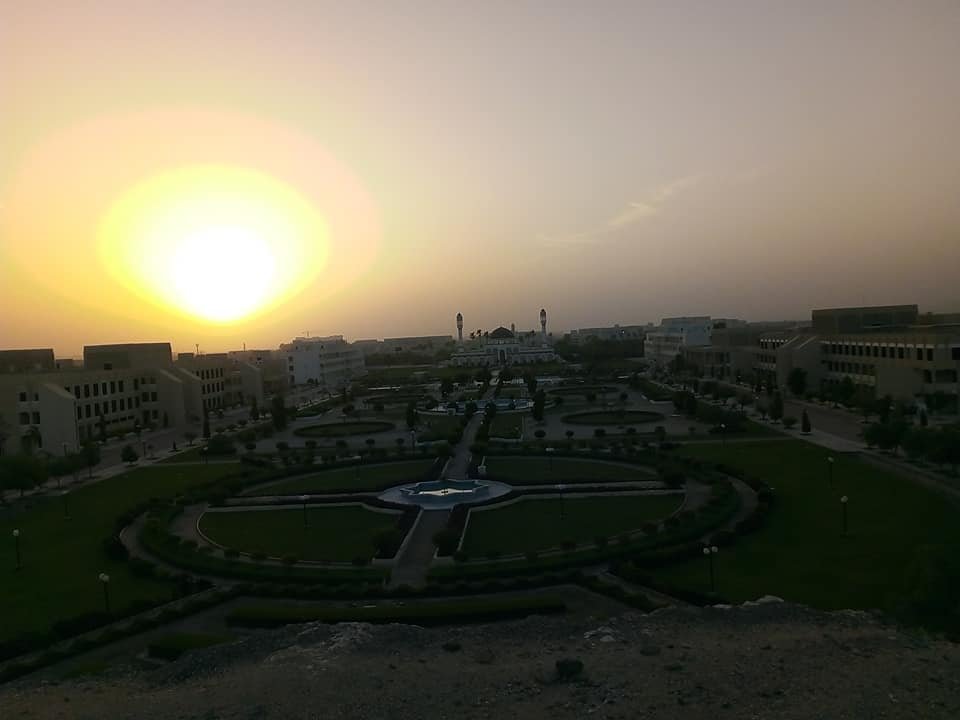
Sultan Qaboos University Campus
We stayed on the university campus for eight days, though each morning we used to get out for a specific place. Between our sightseeing in Muscat and the nearby areas with tourist attractions, we rarely missed the affinity of nature in the truly natural environment.
CLICK HERE TO CREATE HIGH-CONVERTING ADS IN SECONDS AND TURN YOU INTO A ONE-MAN AD ARMY
What if you have never visited a country in the Middle East? And have you heard only about sand, rocks, and deserts?
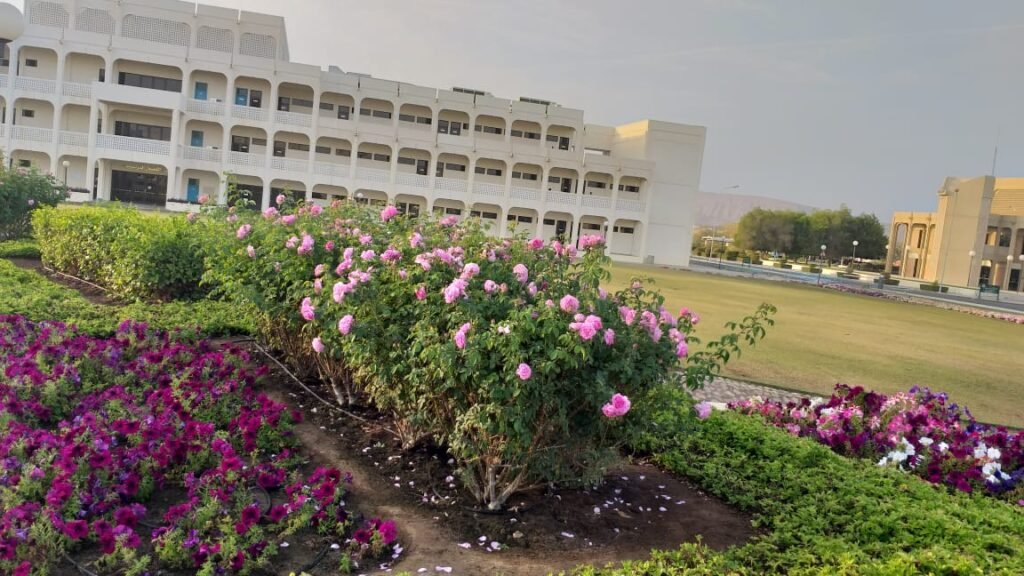
All myths will disappear soon, as unbelievable and breathtaking experiences await you if you are a dedicated nature lover and love to feel the luxury amid nature. Trees, plants, and flowers have been my true friends since my boyhood, and I never missed the true color of nature, every year, every season, as they gradually changed with their tincture, hue, and scent.
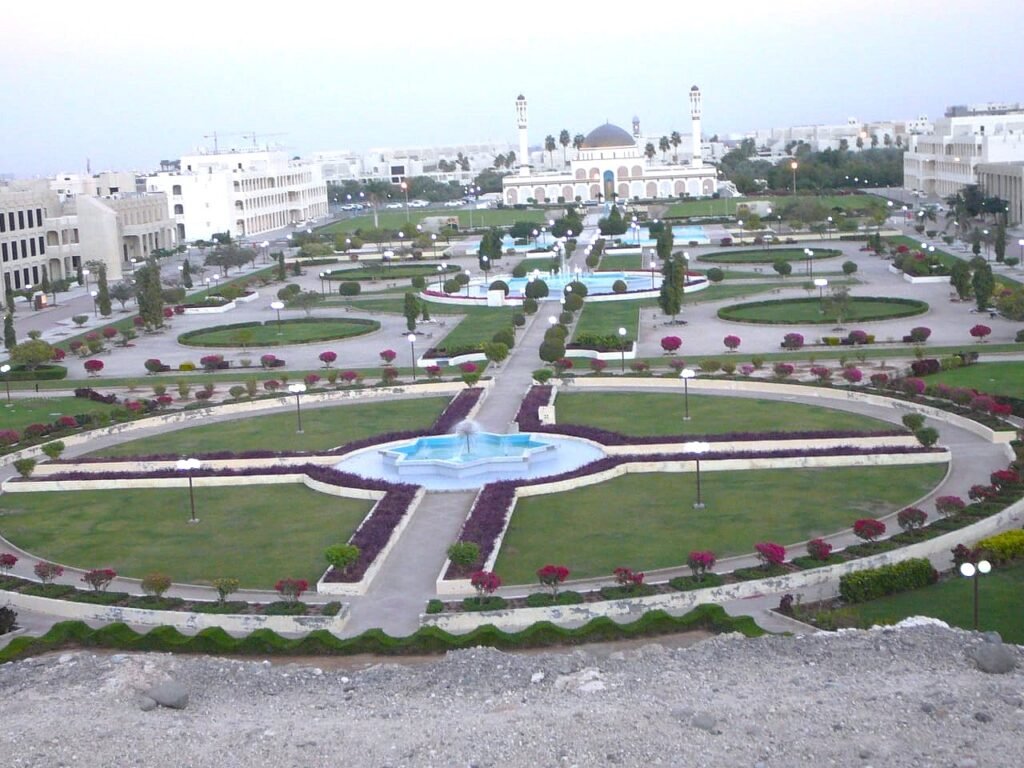
The university was named after Qaboos bin Said al-Said, the Sultan of Oman from 1970 until 2020. The university can accommodate more than 7,000 students. It is the only public university in the country, proudly nestled in a beautiful valley beneath the majestic Oman Mountains.
From 2010 to 2015, the university enrolled students from 38 different countries, while scholars originated from 69 nations. Additionally, the institution engages in partnerships with universities worldwide, having established agreements with educational institutions in Asia, Europe, Australasia, North America, and South America. The university upholds seven fundamental principles: professionalism, excellence, dedication, honesty, loyalty, cooperation, and fairness.
There are two sports complexes available, one designated for male students and the other for female students. Each facility is equipped with football fields, athletic tracks, outdoor stadiums, volleyball courts, indoor sports halls, a swimming pool, and squash courts. The campus architecture showcases buildings crafted from white and pink sandstone, meticulously aligned on an axis with one end facing Mecca. Furthermore, there are distinct entrances for men and women, as well as segregated seating in the classrooms.
CLICK HERE TO FIND YOUR ONE-MAN AD ARMY
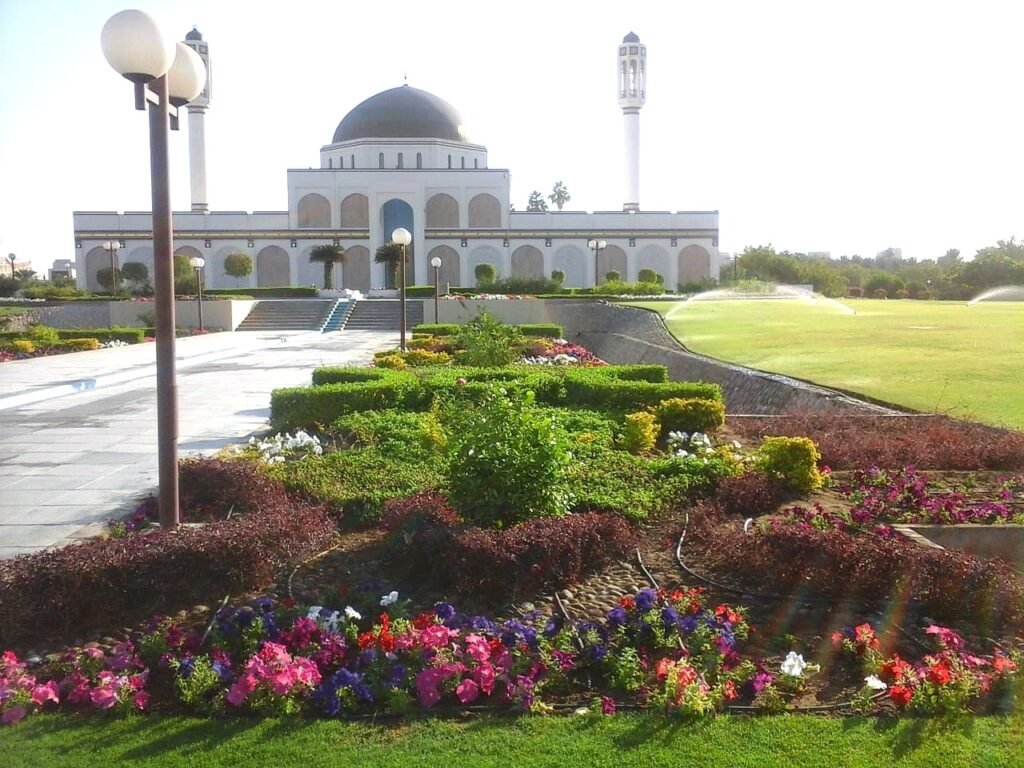
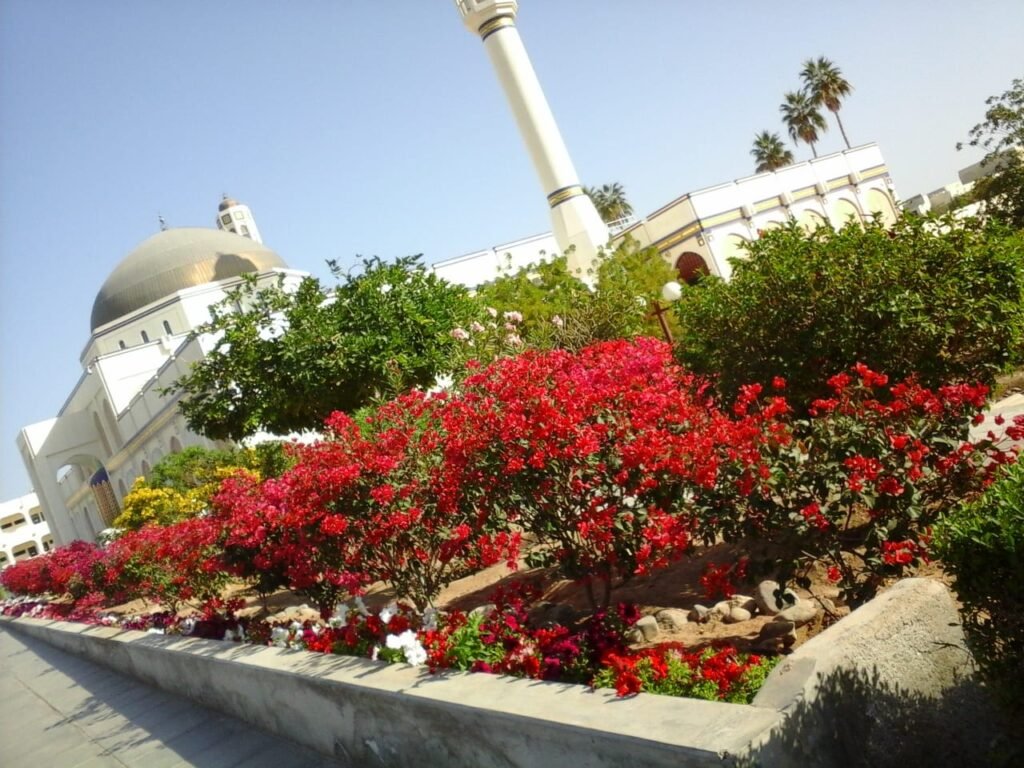
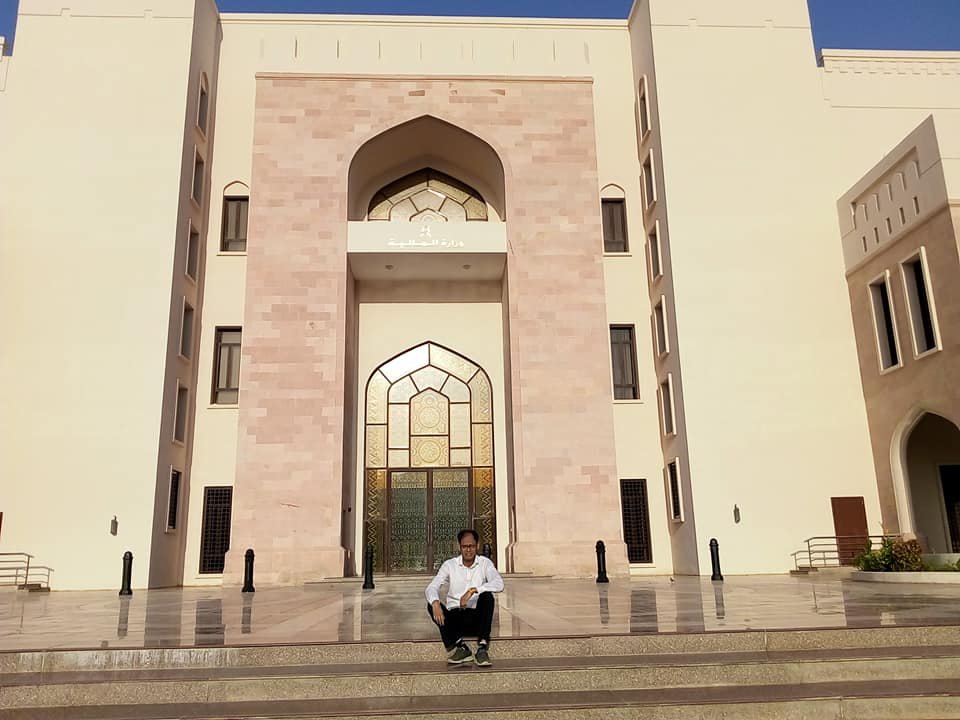
The university mosque is the epitome of man’s thirst for aestheticism, though despite having a beautiful mosque on campus, almost all buildings incorporate a designated prayer room.
We stayed on the university campus for eight days, though each morning we used to get out to a specific place. Between our sightseeing in Muscat and the nearby areas with tourist attractions, we did not miss the affinity of nature in the truly natural environment.
Click here to buy
CLICK HERE TO PURCHASE YOUR ONE-MAN AD ARMY
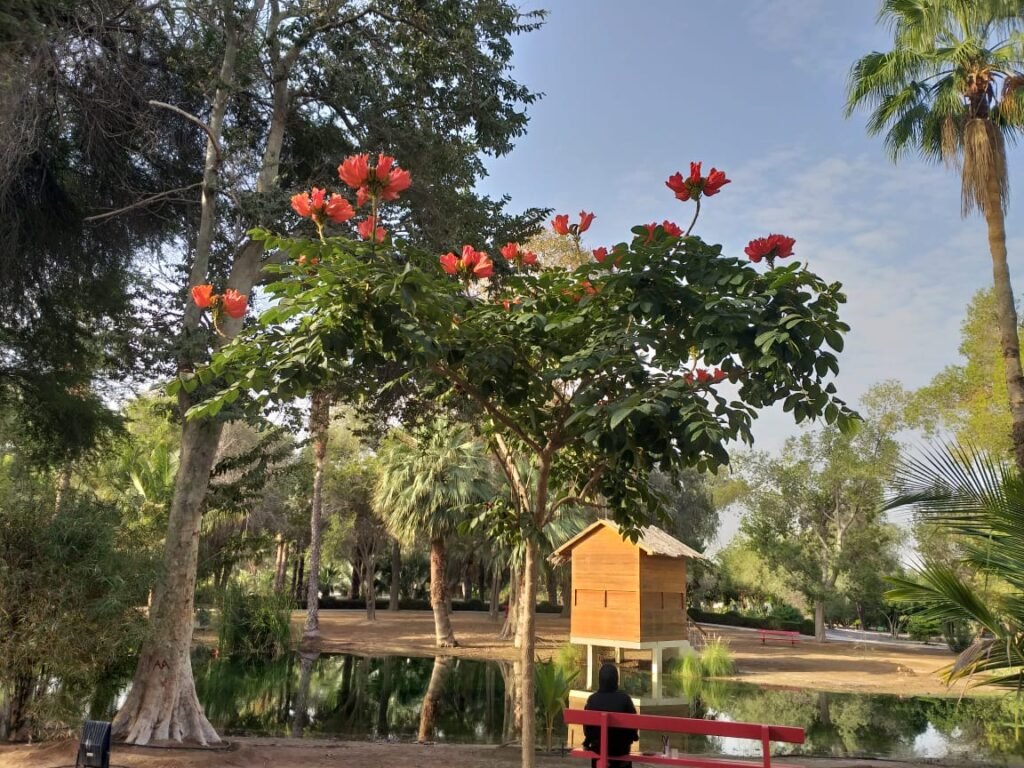
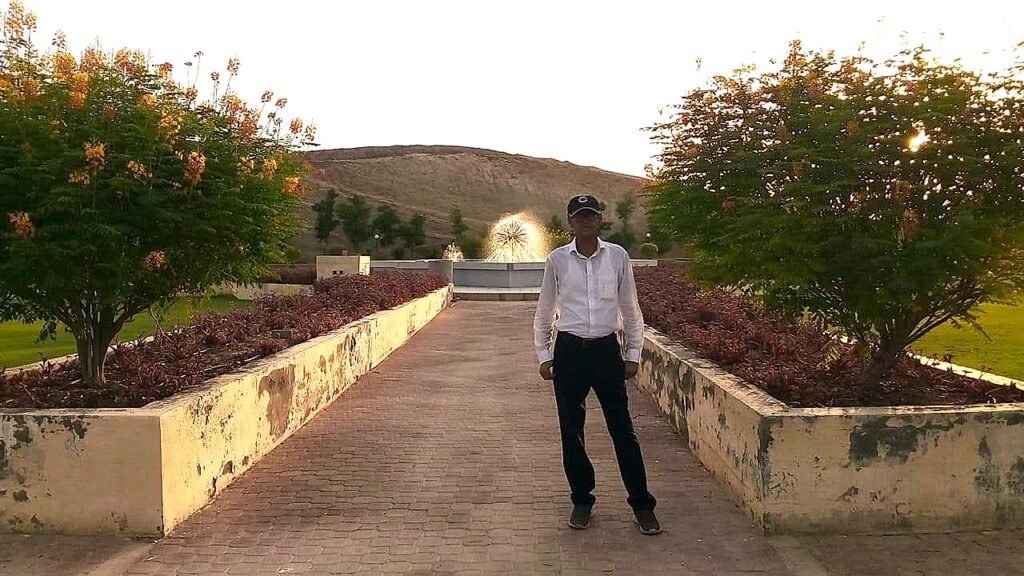
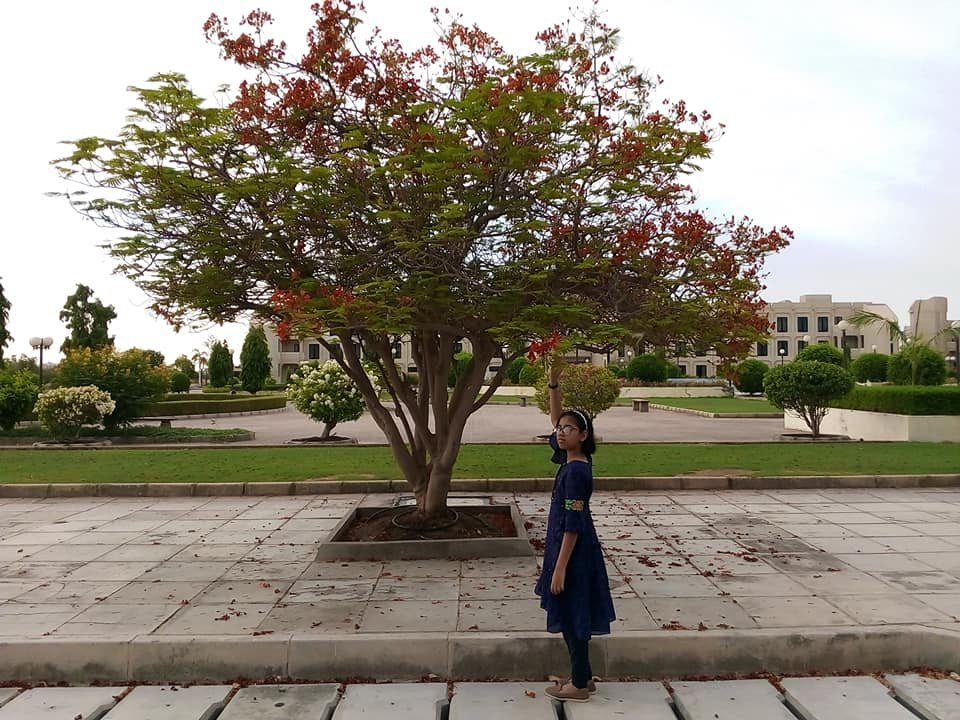
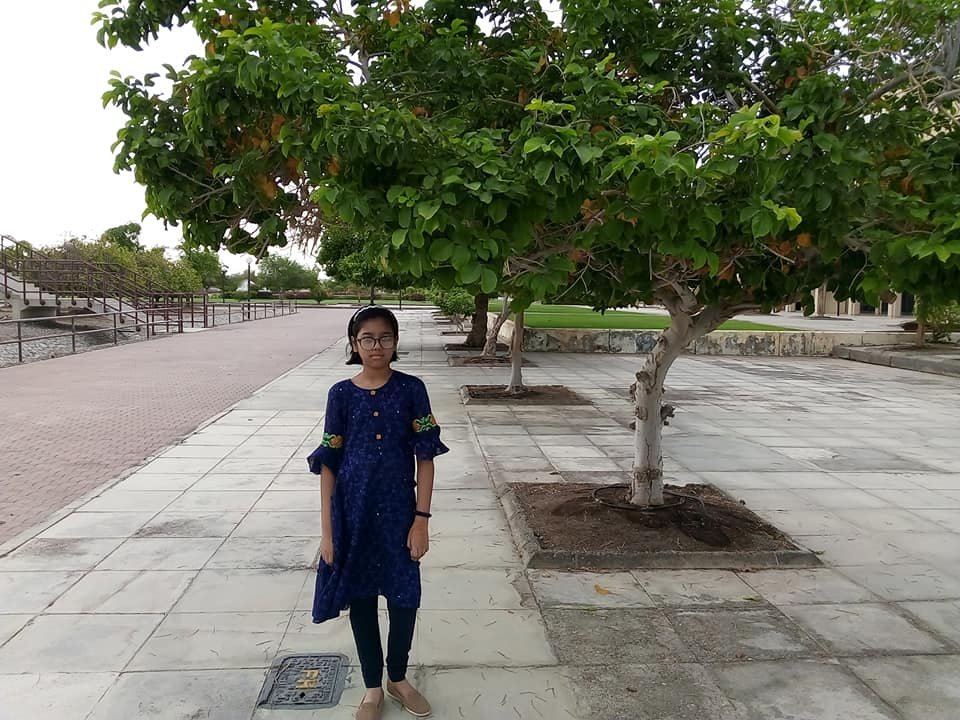
Mutrah, Oman
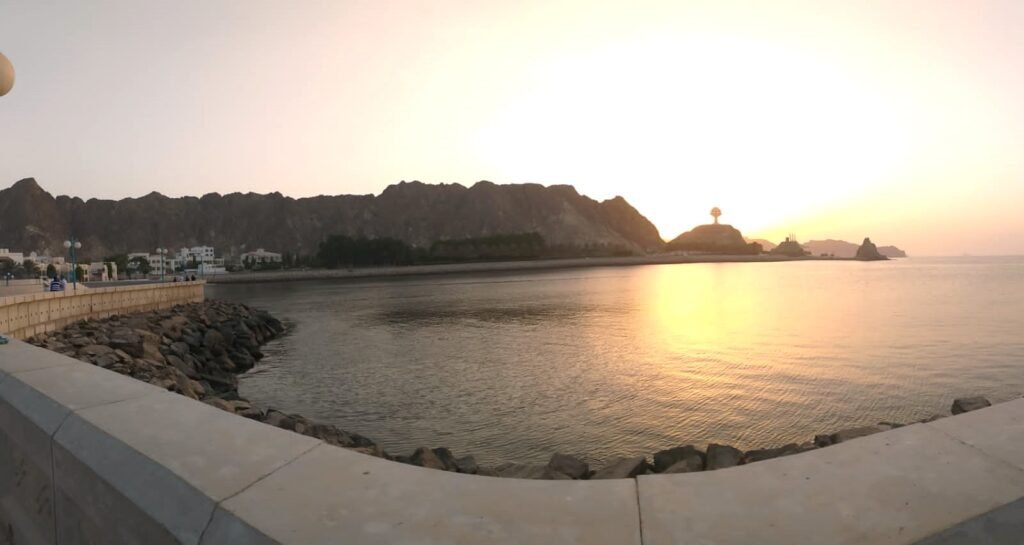
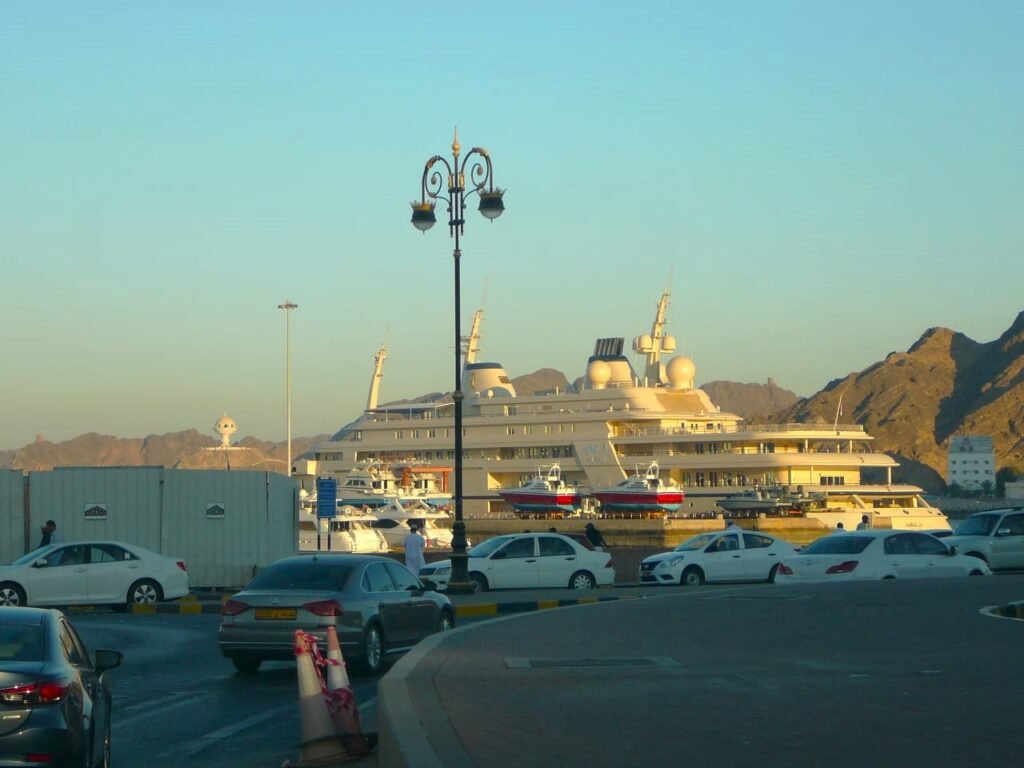
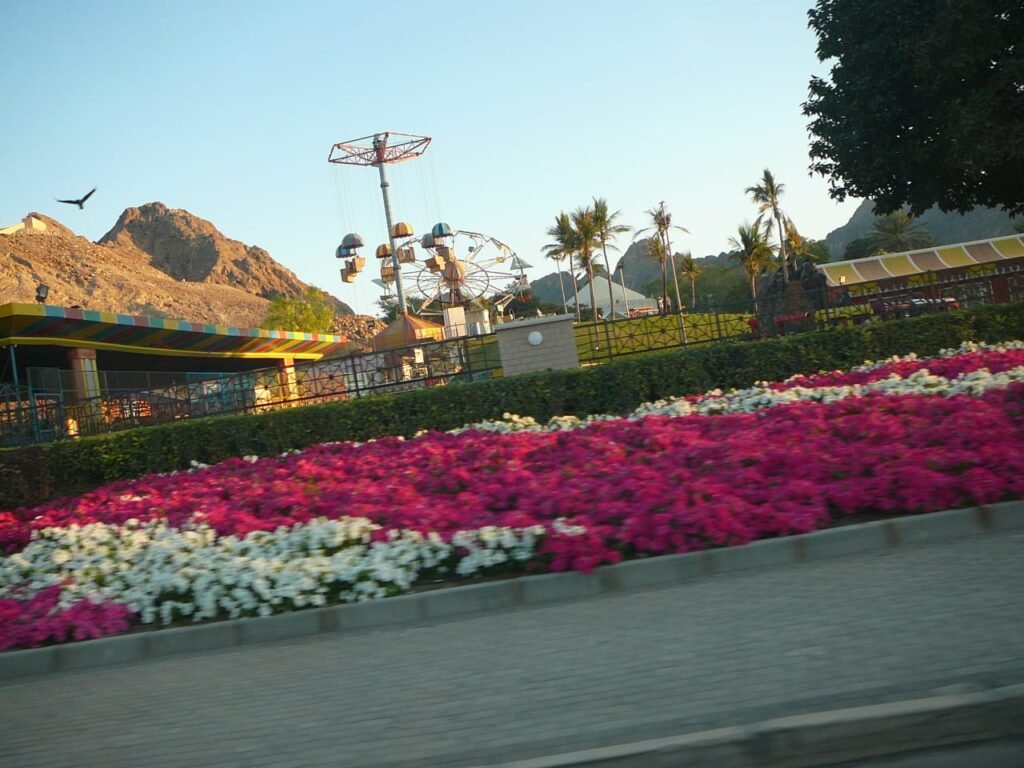
Mutrah is located on the northeastern coastline with Muscat Harbour, Mutrah Corniche, Mina Qaboos, Al Mirani Fort, Al Jalali Fort, Quantab Beach, Yiti Beach, Jebel Sifa Beach, Kalbou Beach Park, Riyam Park, Mutrah, and Sangri La Resort, all of which are worth visiting.
Buy Now
The port of Muscat is guarded by two magnificent forts: Al-Jalali Fort on the east and Al-Mirani Fort on the west. These forts, perched high on the rocks, overlook the sparkling blue waters of the Gulf of Oman.
In the past, their primary purpose was to protect the port of Muscat.
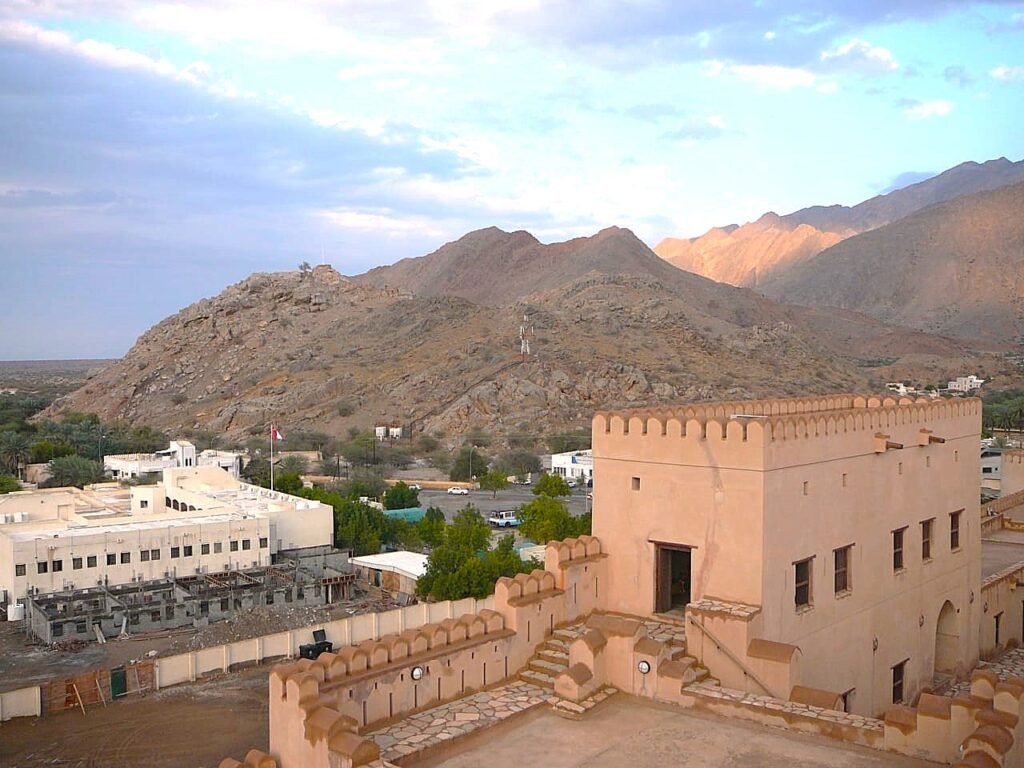
Al Jalali Fort, or Mutrah Fort, also known as Ash Sharqiya Fort, was constructed by the Portuguese in the 1580s, atop an earlier Omani fortress, to safeguard the harbor after Muscat had been twice attacked and sacked by Ottoman forces. However, the fort was eventually seized by Omani forces in 1650, and after the Civil War ended in 1747, it underwent extensive reconstruction.
Occasionally, Al-Jalali functioned as a sanctuary or a detention centre for a royal family member. Throughout the 20th century, it operated as Oman’s primary penitentiary until its role ceased in the 1970s. In 1983, Fort Al-Jalali underwent restoration and was repurposed as an exclusive museum showcasing Omani cultural heritage, open only to esteemed guests visiting the nation.
Access to this fortress is only granted with a permit. To apply, visit the Ministry of National Heritage’s contact page on their website.
Fort Al-Jalali was known as the third defensive structure along the Muscat shoreline, positioned just north of the main harbor and equipped with sufficient artillery to repel potential invaders.
The fortress boasts a captivating feature: a sizable circular tower that served as a final line of defense. Within its walls, visitors can explore an educational yet slightly dull display showcasing the region’s geography and ecosystem. However, the true gem of the fort lies in the replica of two structures native to the Musandam Peninsula. The first is Bait al-Qufl, also known as the House of Locks. During the summer months, the nearby agricultural families sought refuge in these partially buried stone structures to safeguard their valuable possessions while they relocated to the seaside.
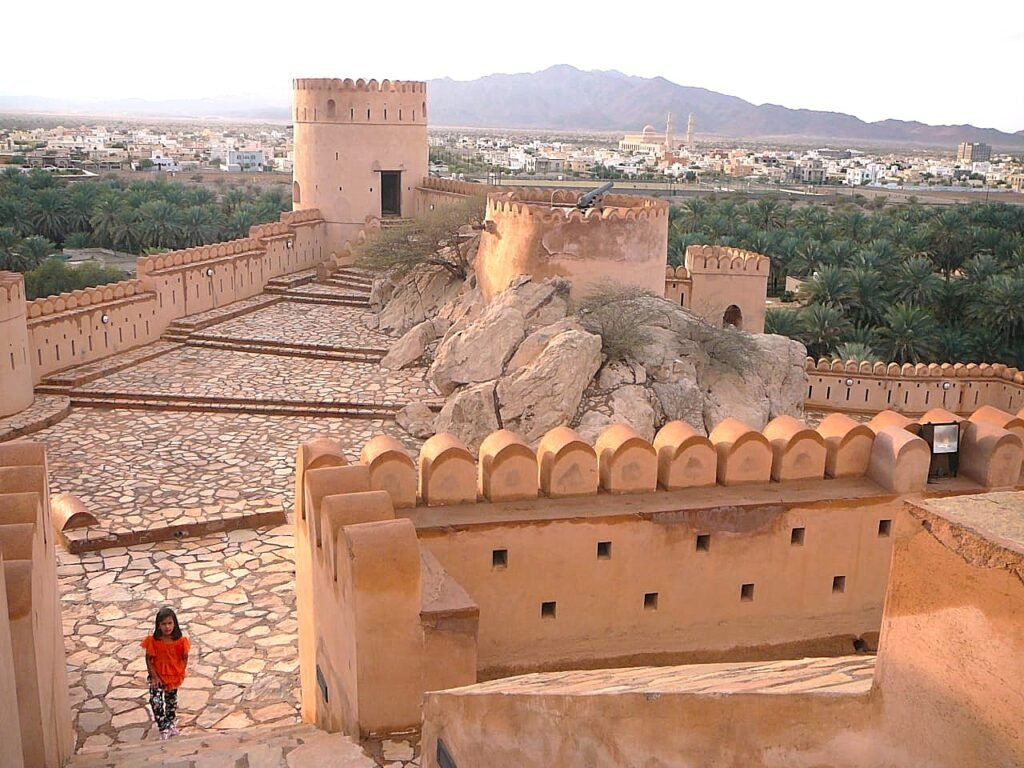
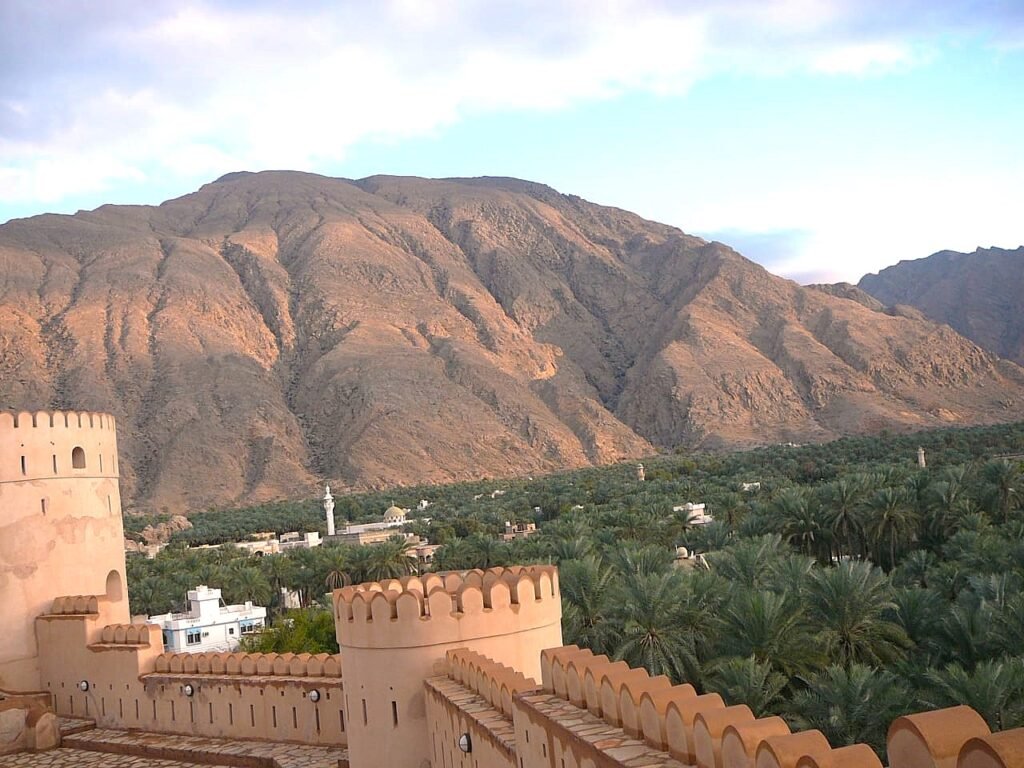
Naturally, reaching the location involves a steep ascent. Visitors who are not interested in history or archaeology may notice something missing upon arrival: only remnants of ancient weaponry and a contemporary French Hotchkiss cannon perched on battlements and turrets. Although we did not have much time to enter the central tower, the vistas from its summit were undeniably breathtaking.
Click here to buy.
Riyam Park, Mutrah
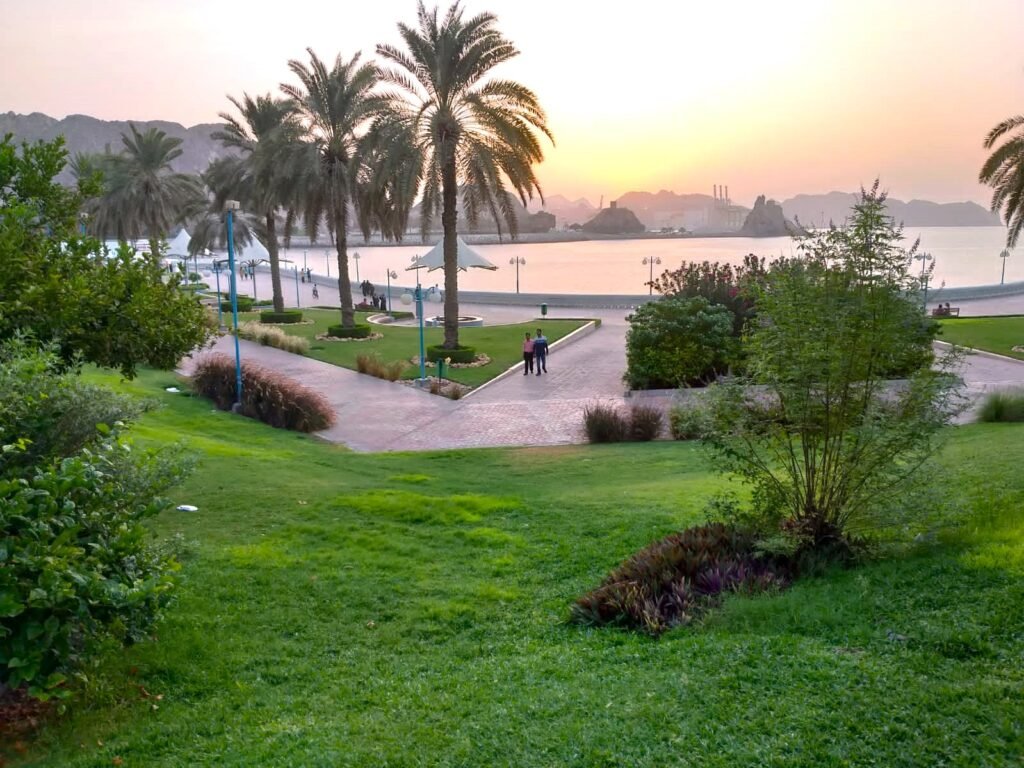
Sangri La Resort
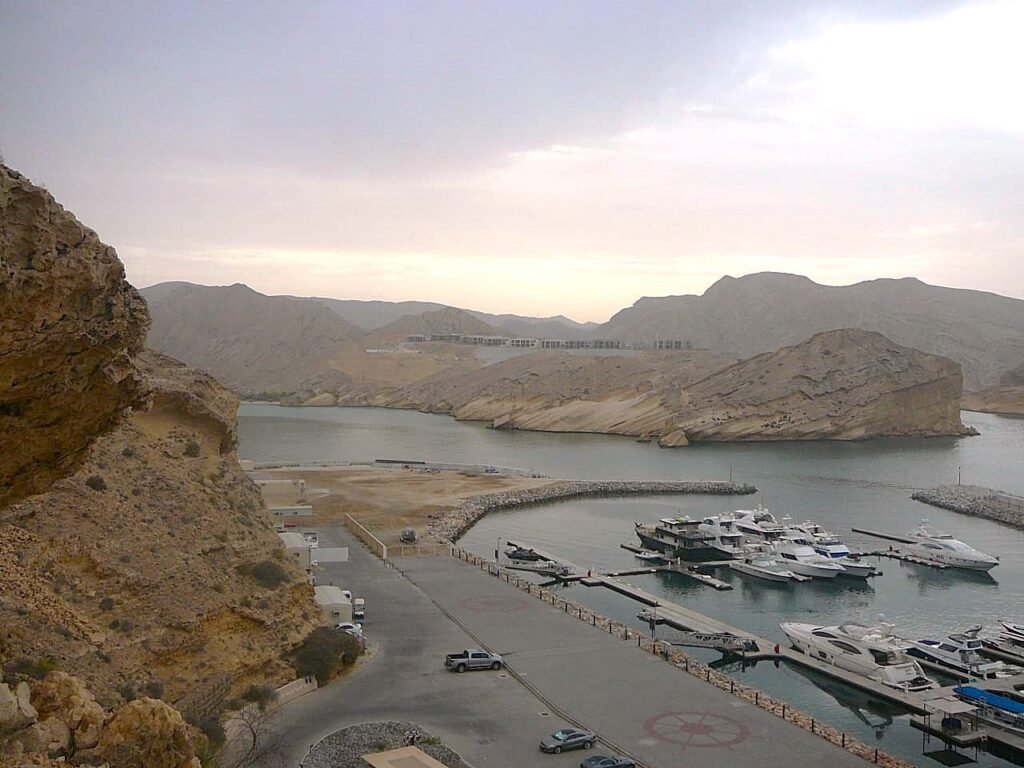
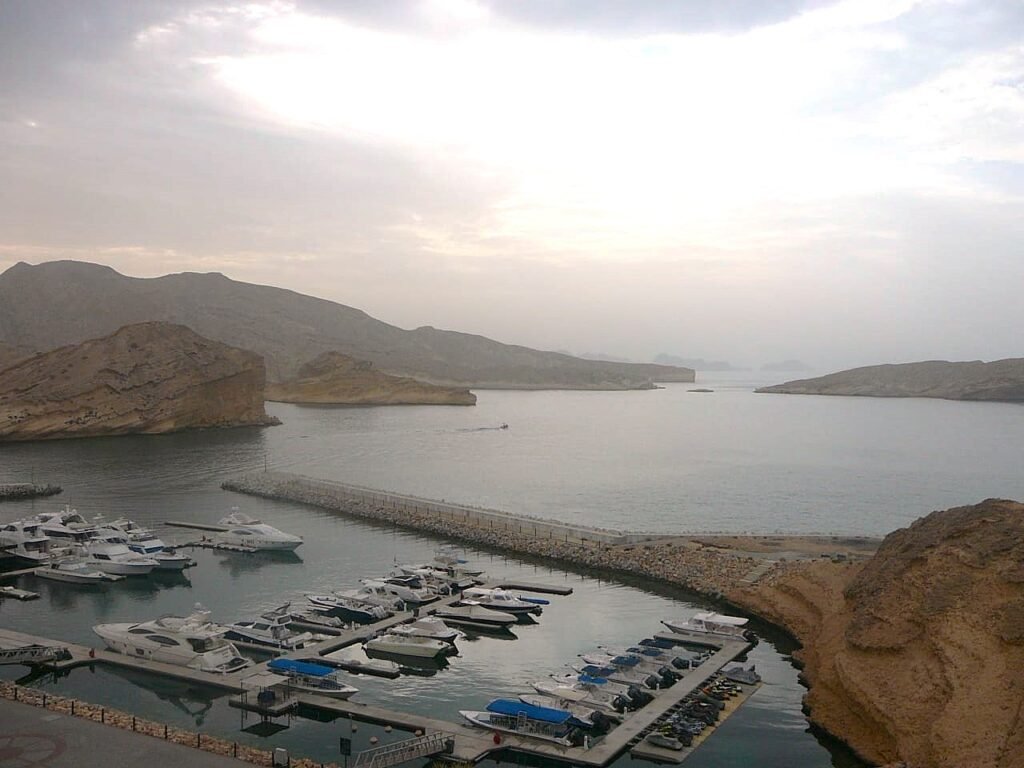
Quantab Beach, Yiti Beach, Jebel Sifa Beach, and Kalbou Beach
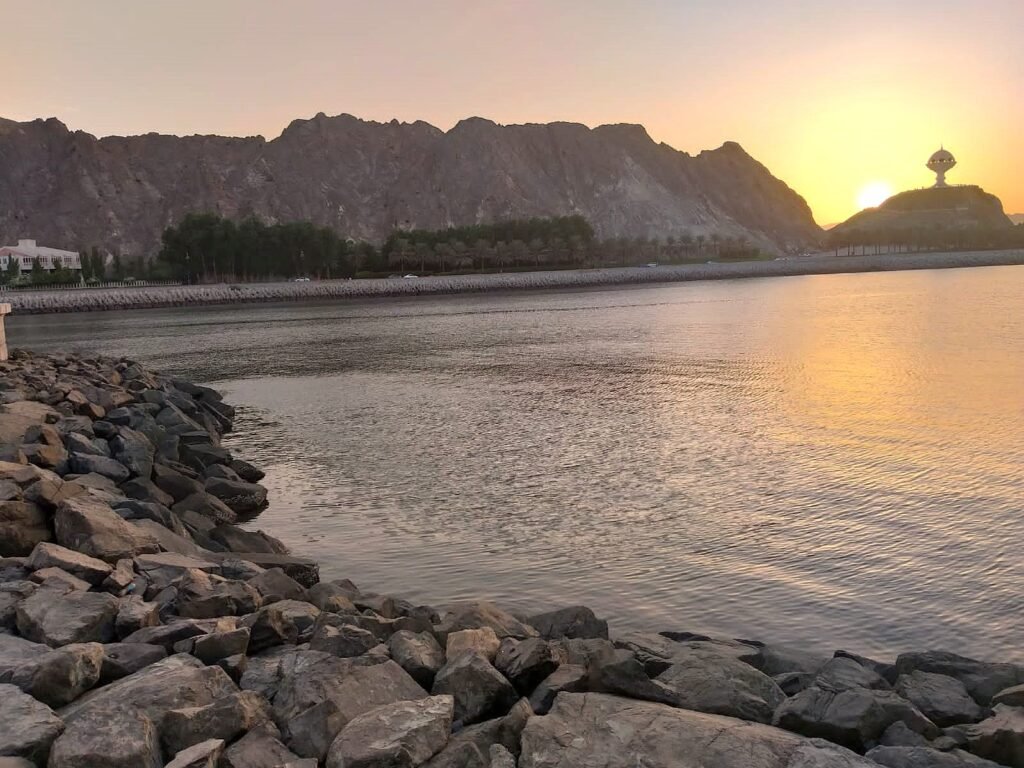
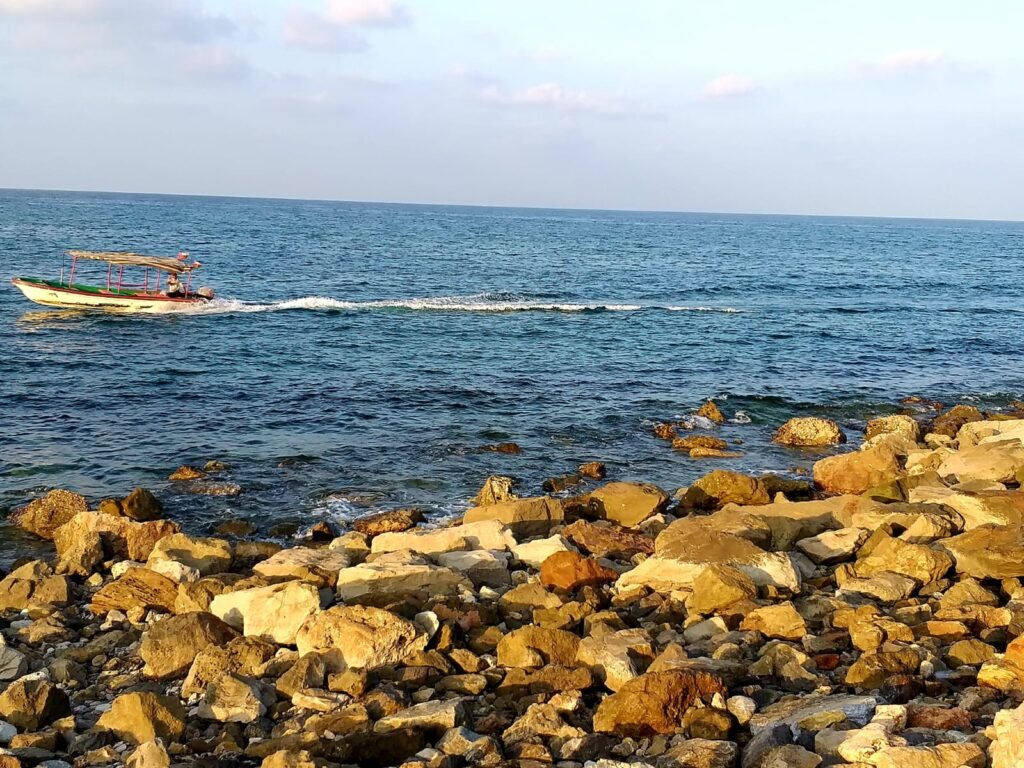
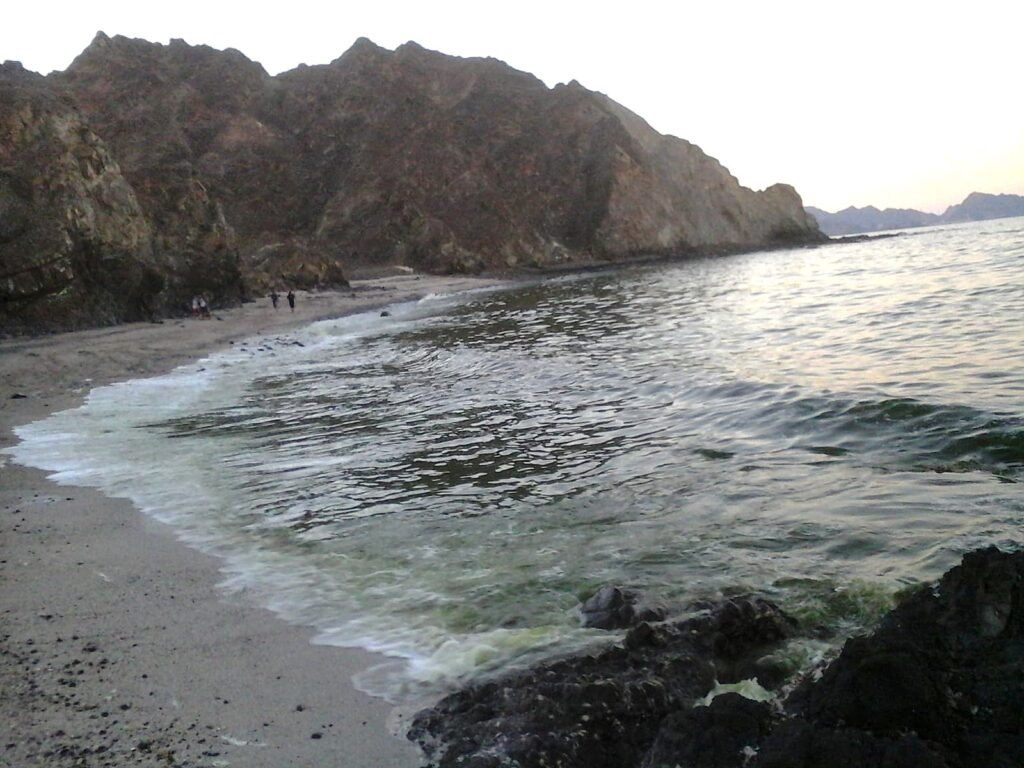
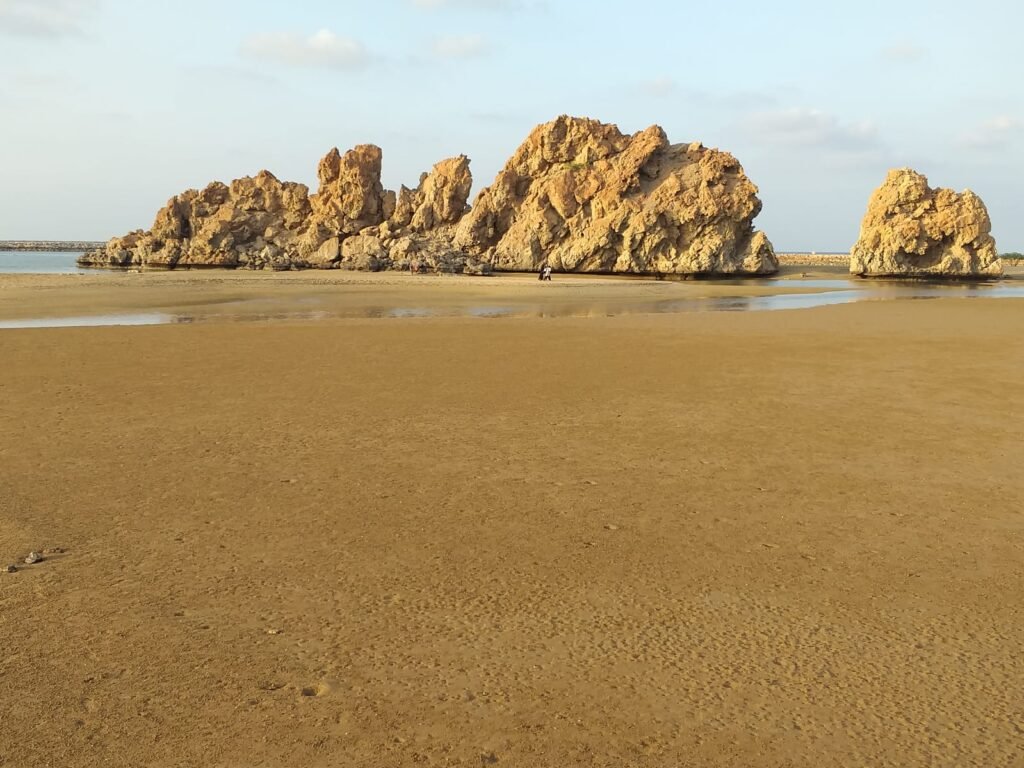
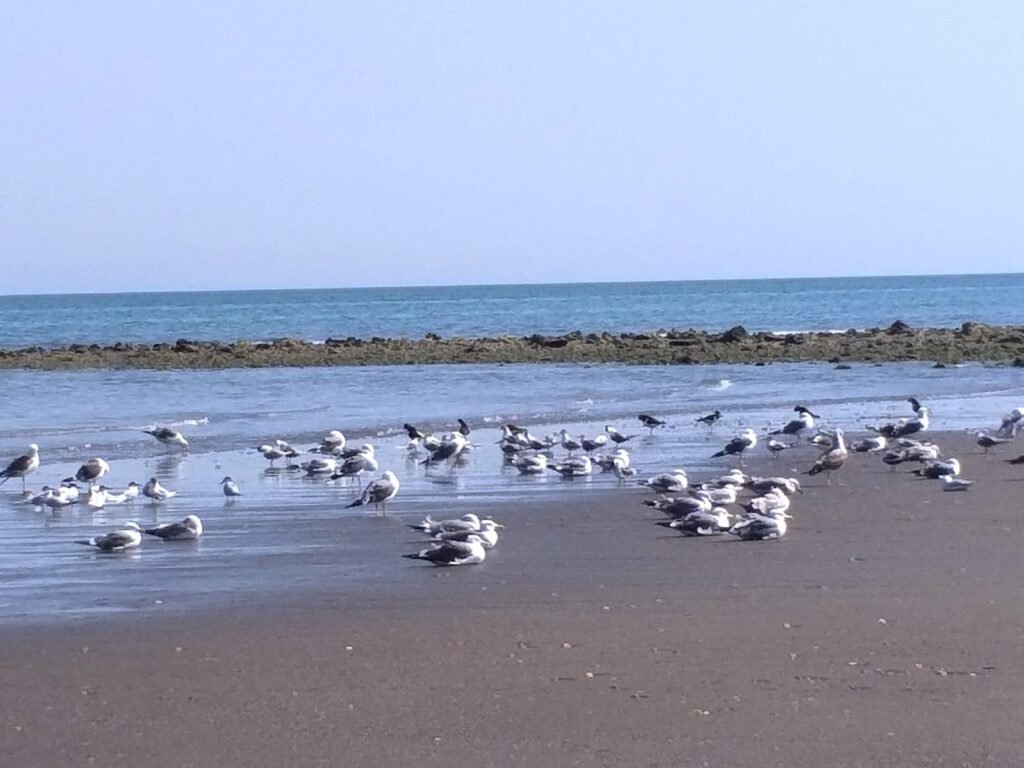
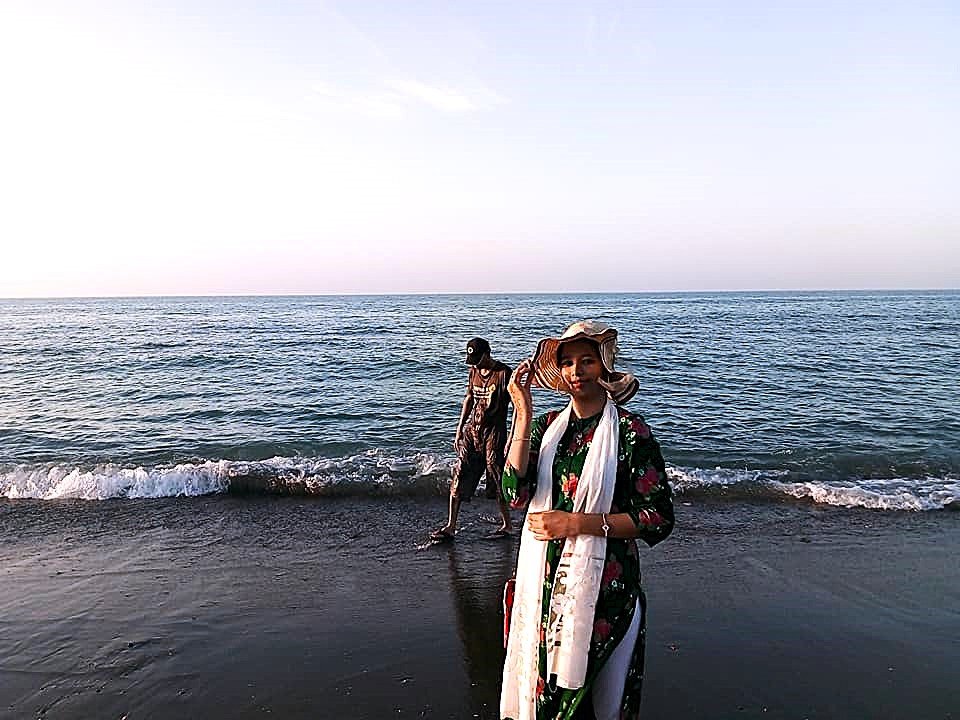
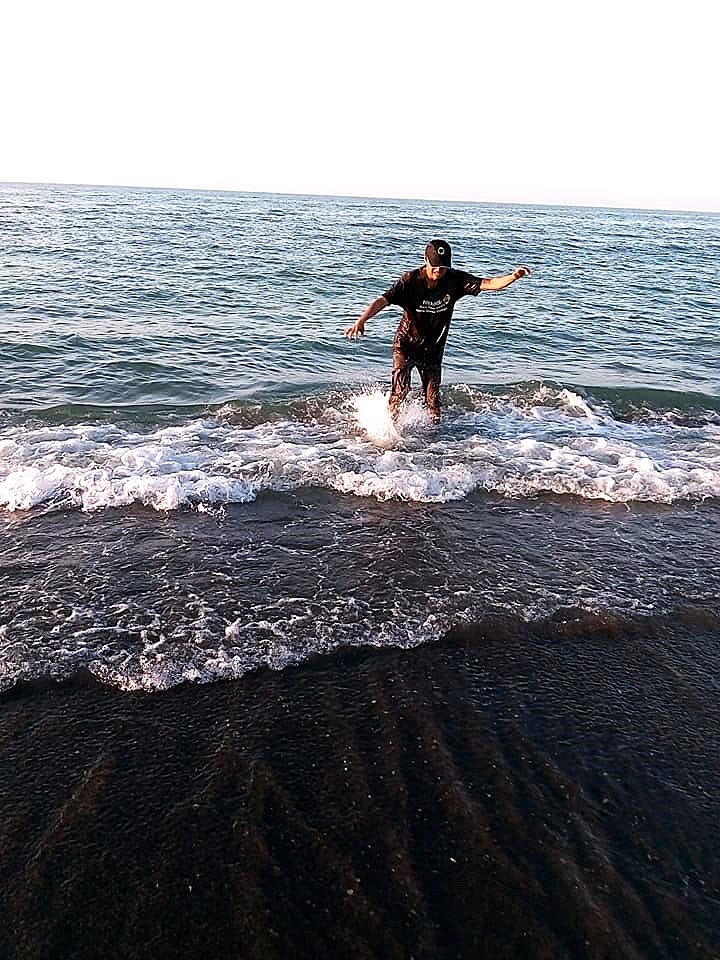
There are quite a few beaches in Mutrah, though they are unlike typical beaches and are located near arid land with hard rock formations. The waves we found were quiet, with arid mountains all around them, especially at Quantab Beach, which was surrounded by black rocks. Other beaches are Yiti Beach,Jebel Sifa Beach, and Kalbou Beach.
Buy Now
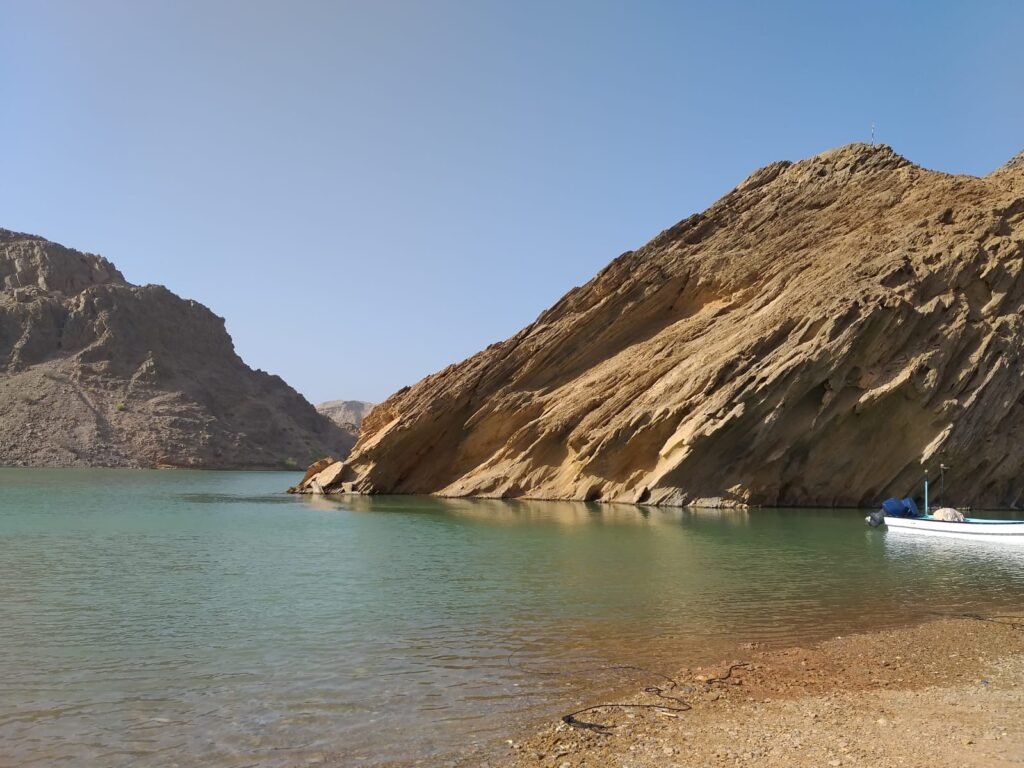
Al-Jalali Fort, Mutrah:
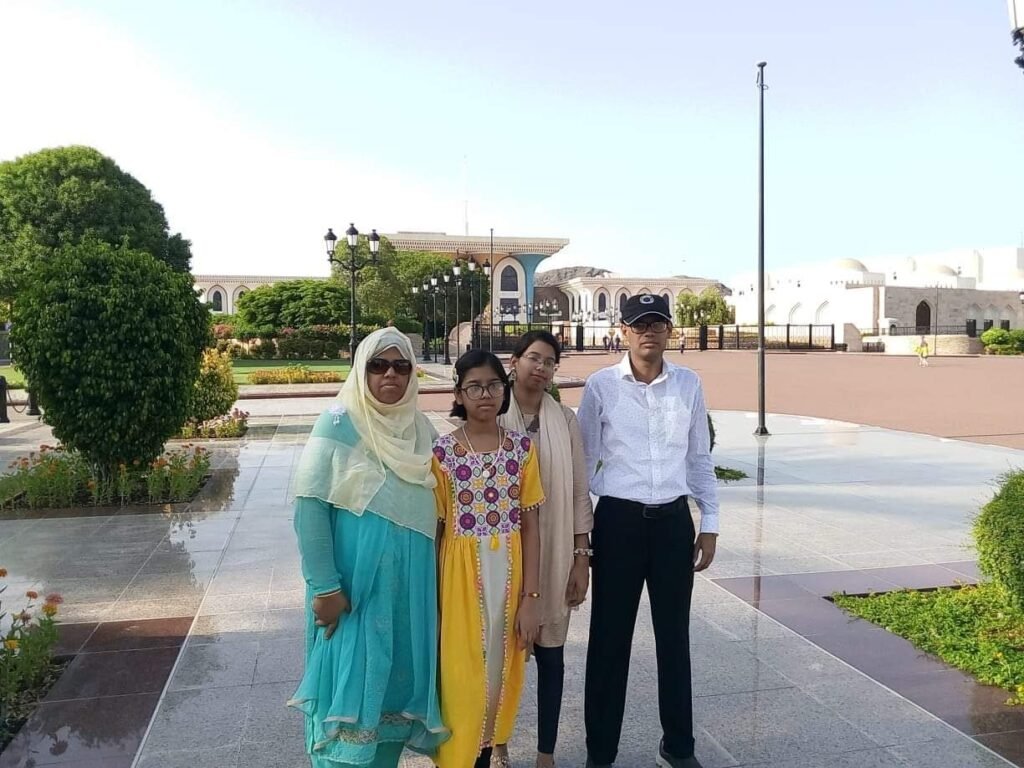
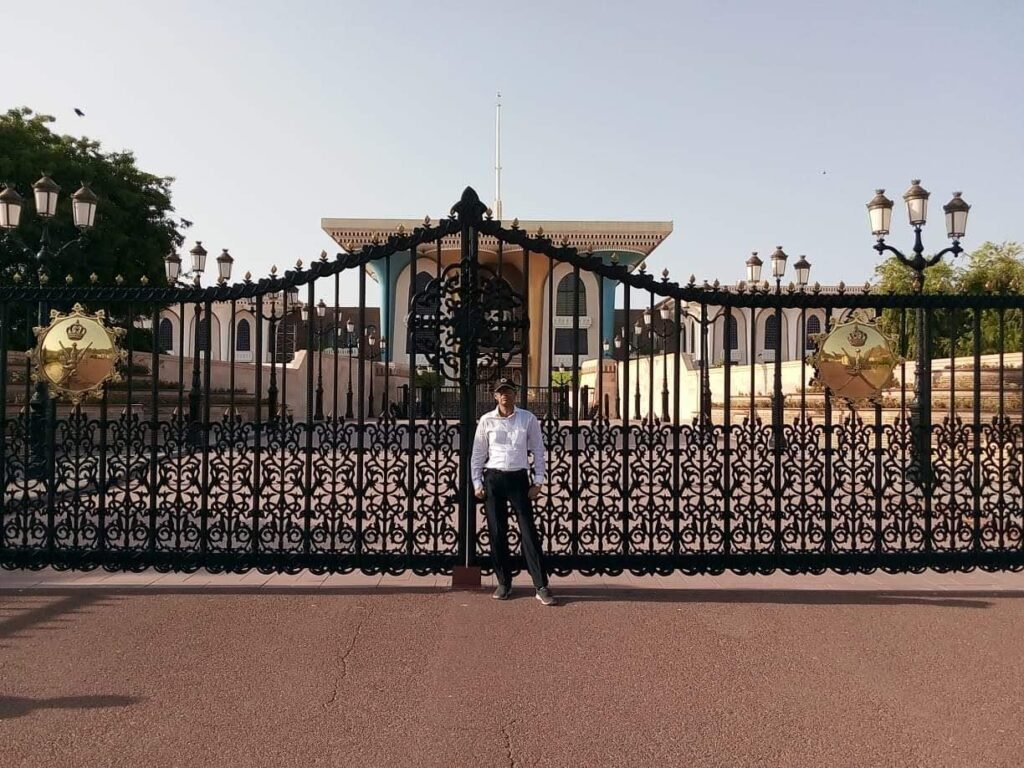
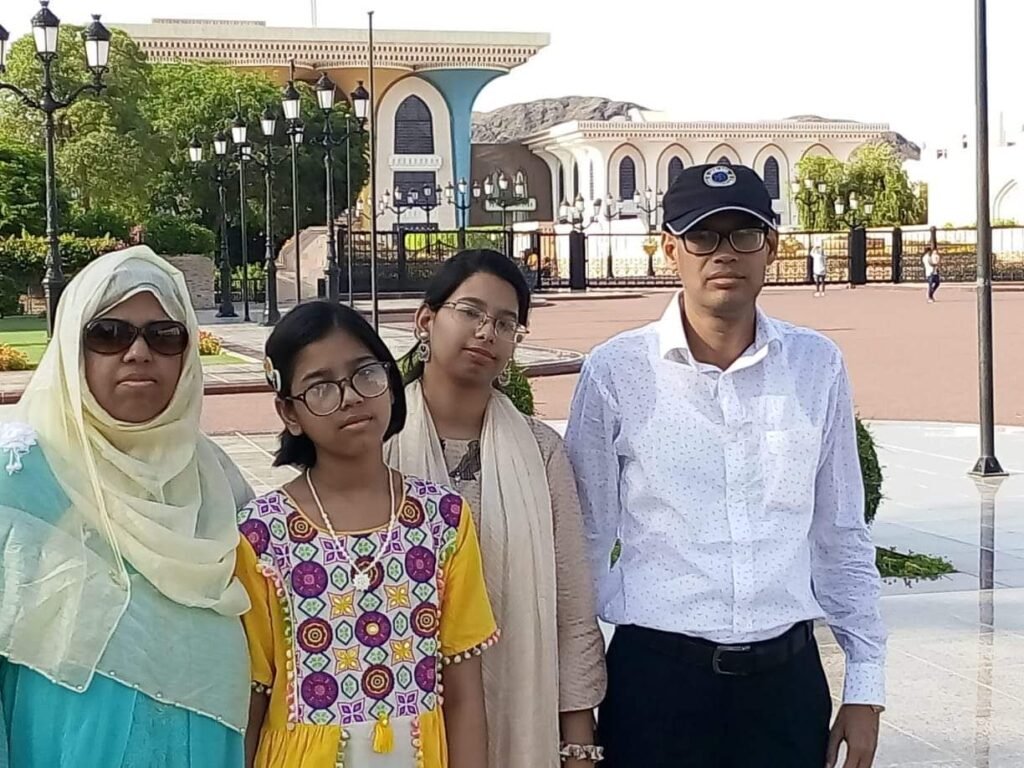
Al Alam Palace
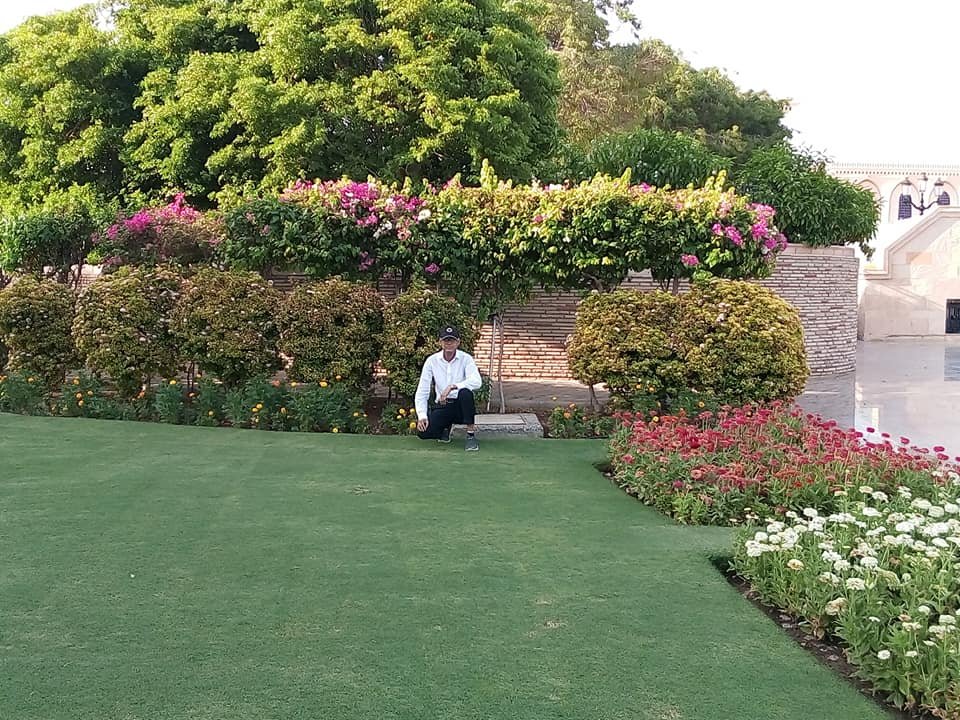
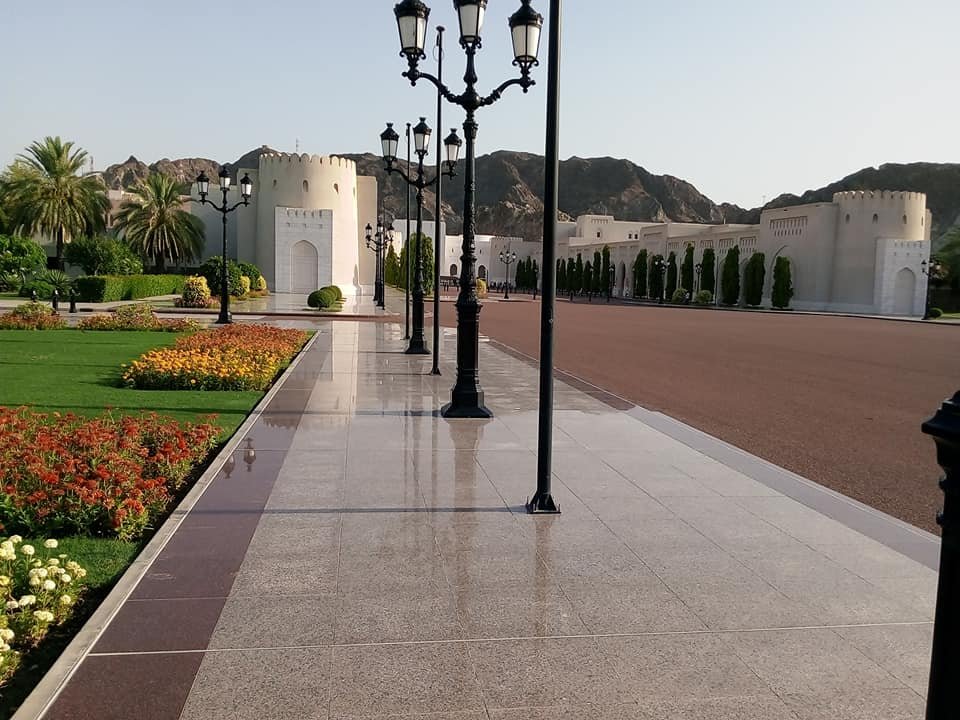
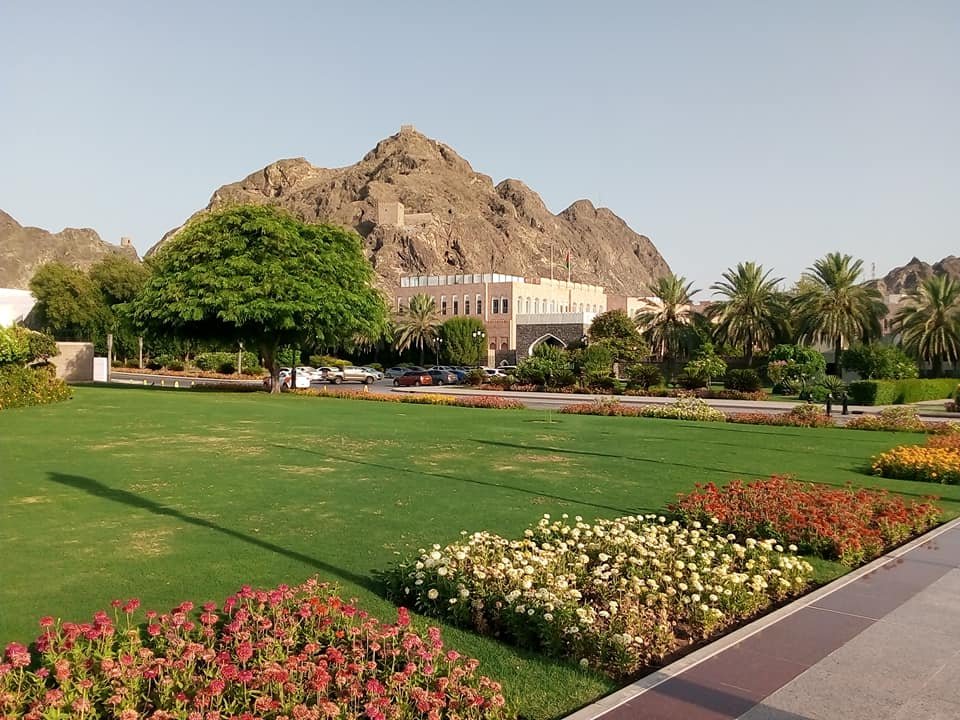
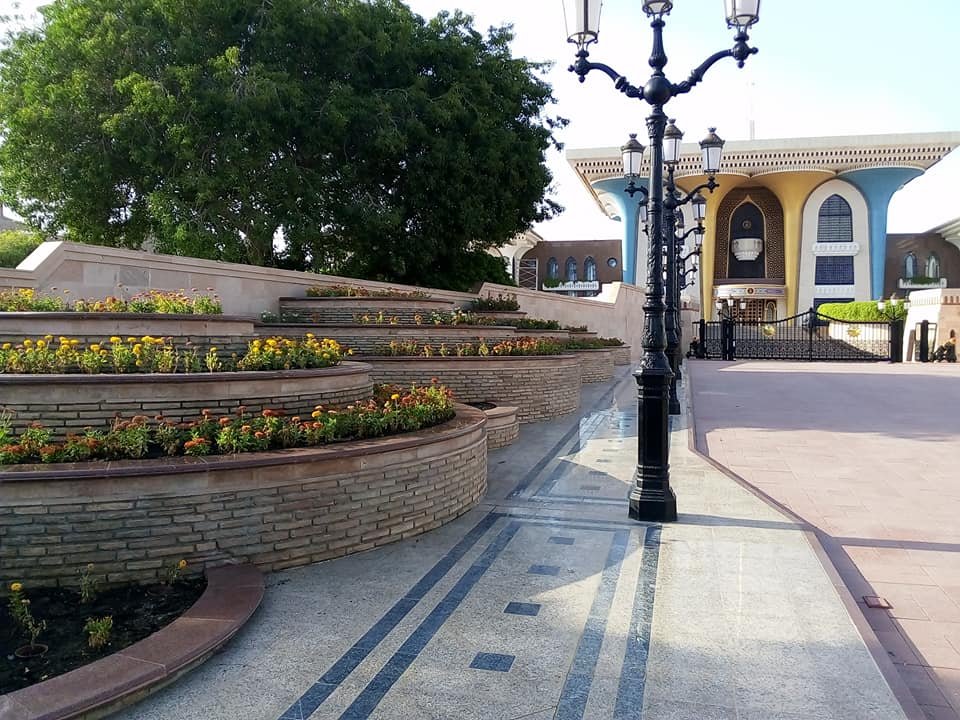
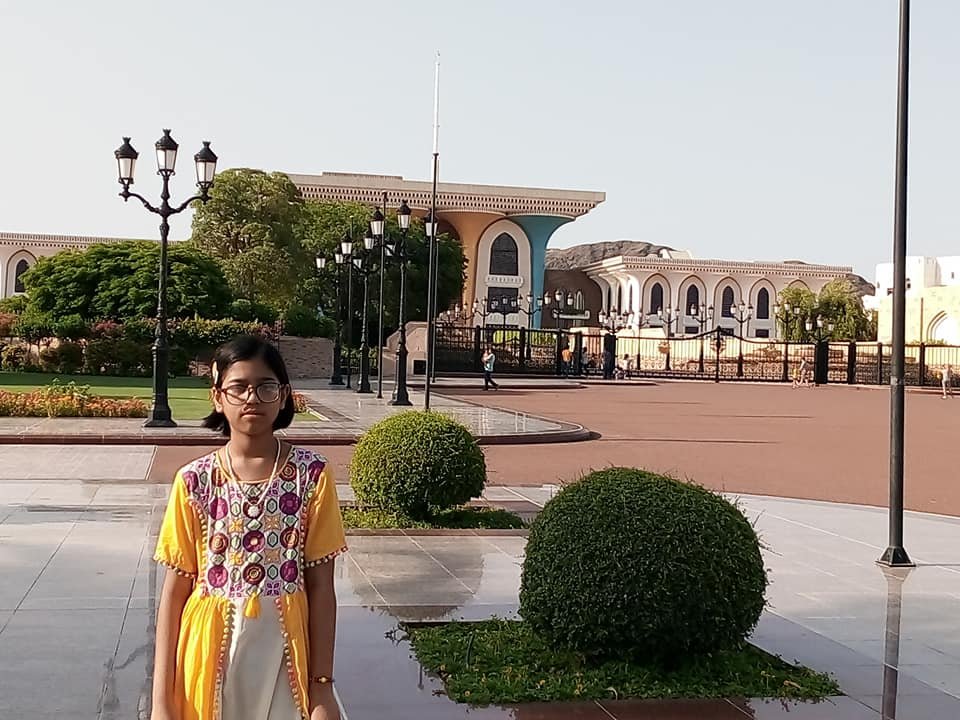
This is the sultan’s primary residence, showcasing modern Islamic design, vibrant gardens, and the picturesque Mutrah Harbor. Known as the Flag Palace, it serves as the ceremonial home of Sultan Qaboos and is situated at the core of the historic Old Muscat. Al Alam Palace serves as the official residence of the Sultan of Oman and is used for ceremonial purposes. It is where formal events, including the reception of international guests and leaders, take place. In the early 1970s, the old official residence, Bait Al Alam, was demolished to make way for the construction of this new palace. However, Sultan Qaboos tends to prefer his other residences in Al Seeb or Manah, as he rarely makes appearances at Al Alam Palace. Though the palace compound is not a vast area, the main palace building and its encircling buildings and installations are worth viewing against the background of a line of hillocks. An artistic combination of yellow and blue in an array of vast whites will remind you of a painting on an easel. Flowers are a common phenomenon anywhere in Oman, so everything is there for you to soothe your eyes with and spread beauty—a perfect blending of natural objects and habitation.
The entrance to the main building was prohibited for general visitors like us, though we did not encounter any problems seeing everything on the outer campus or taking snapshots of the main building and its installations.
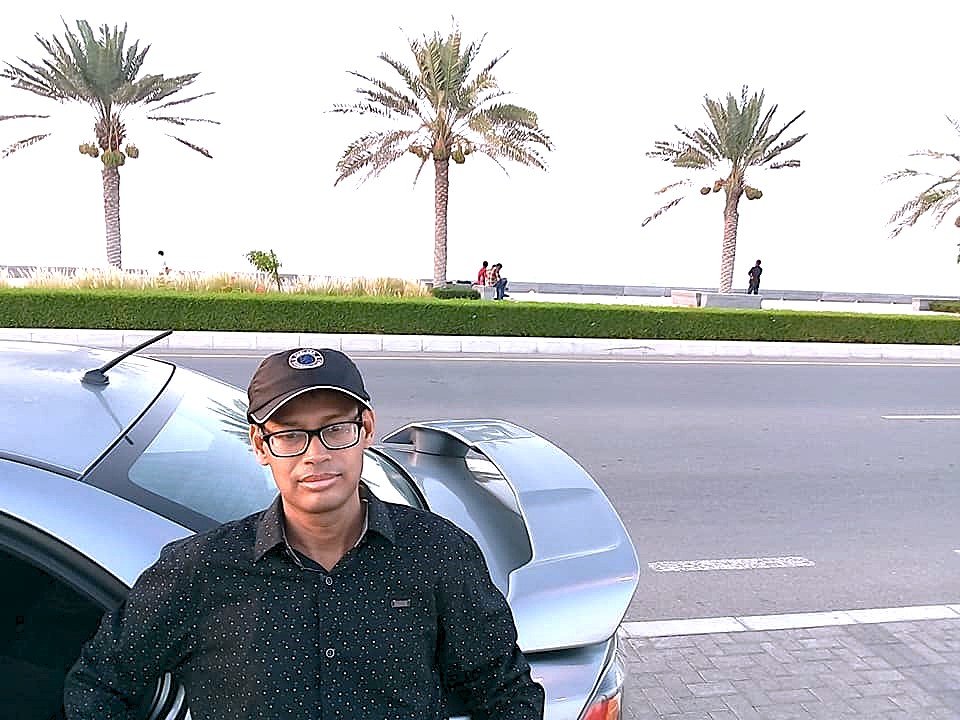
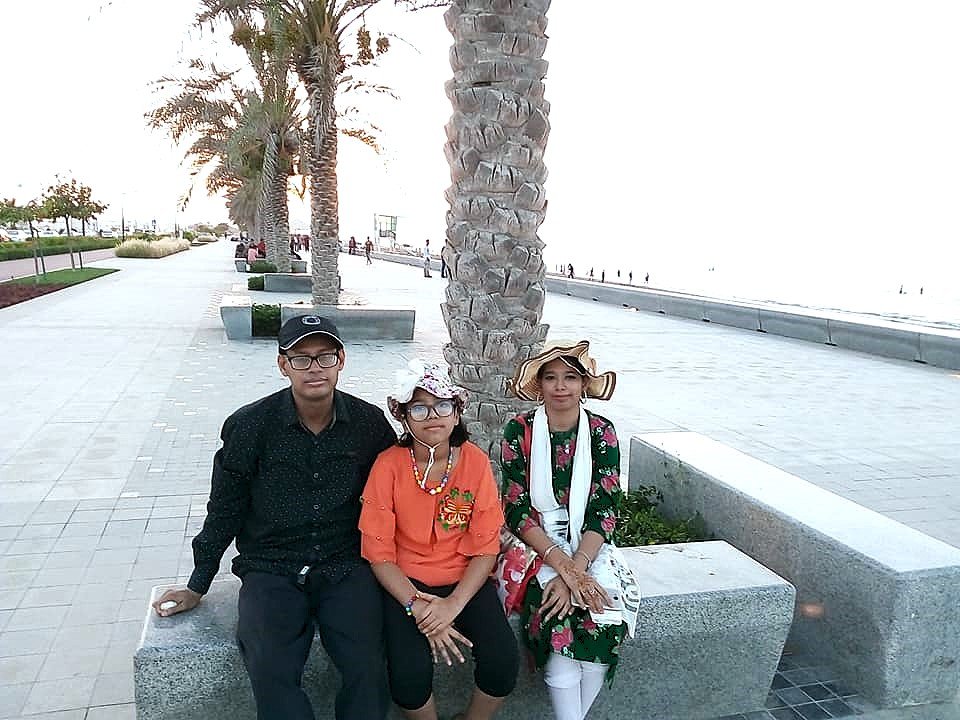
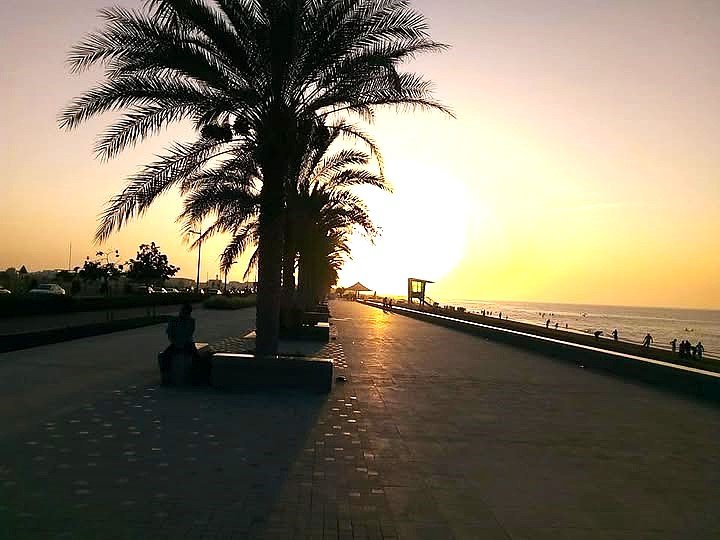
At Marine Drive and on the Beach of Muscat
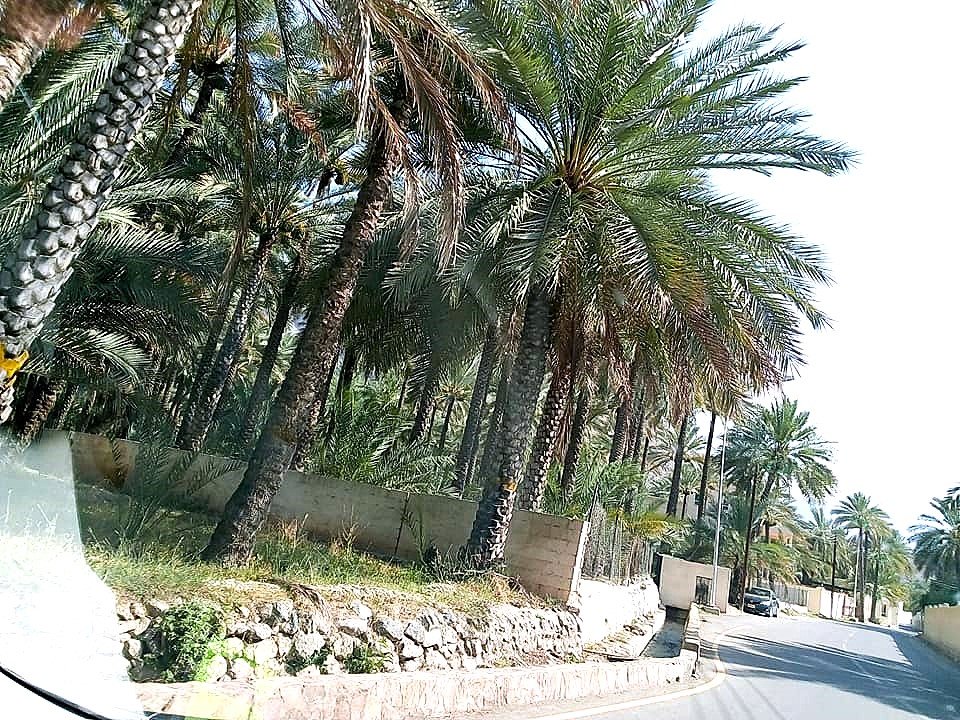
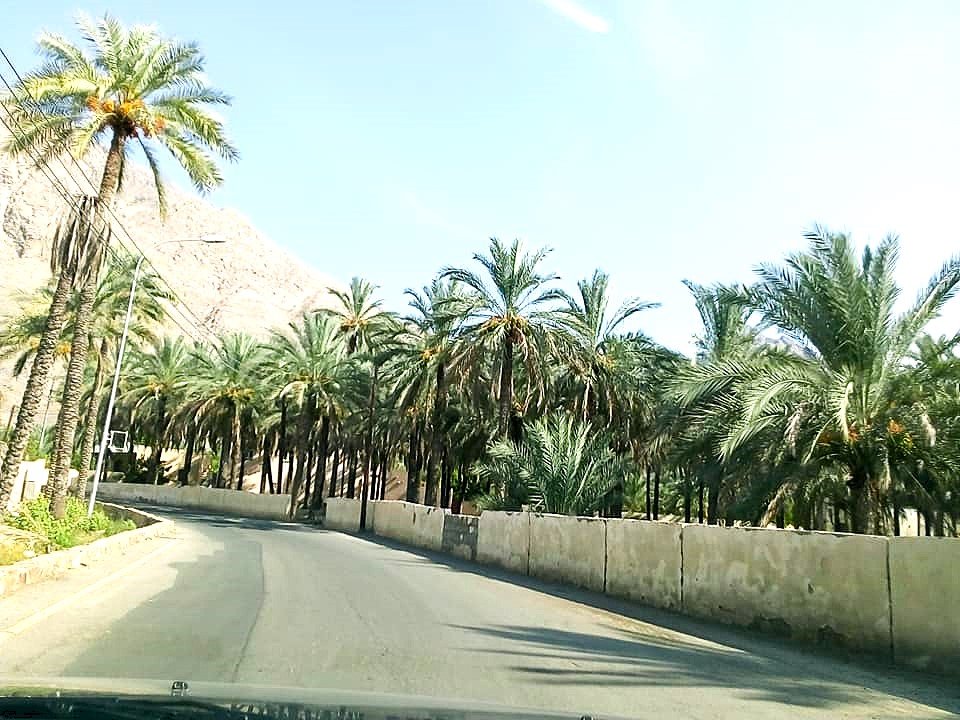
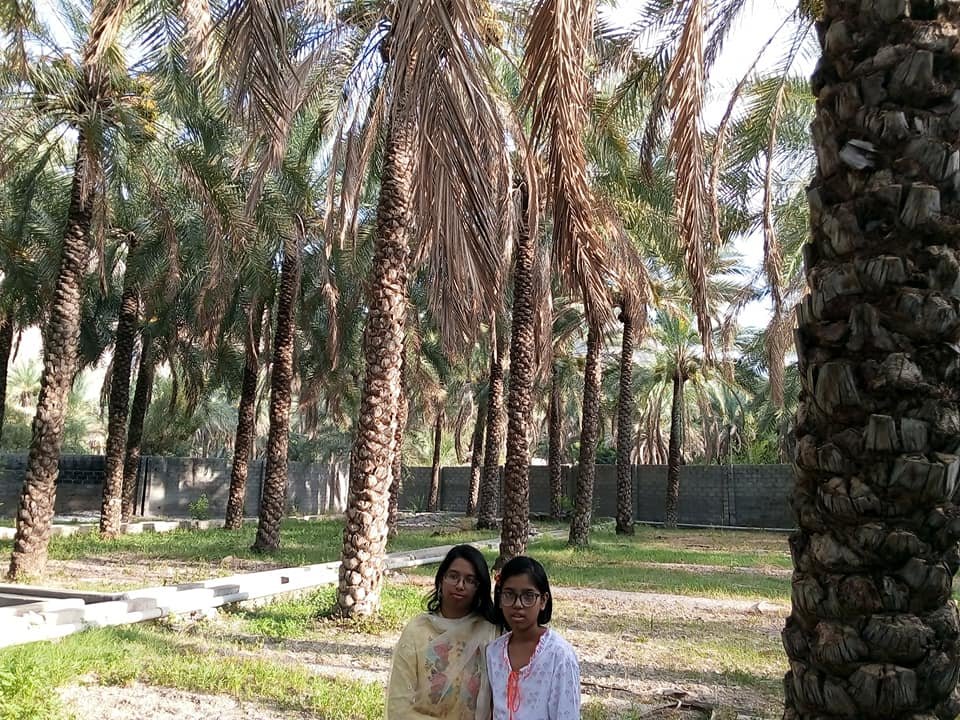
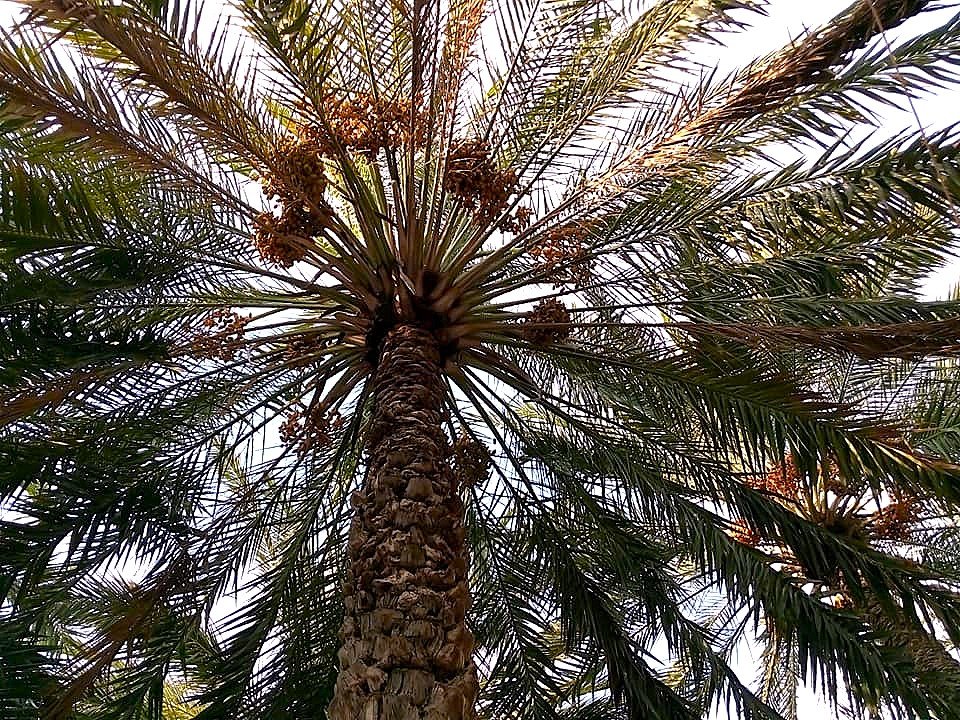
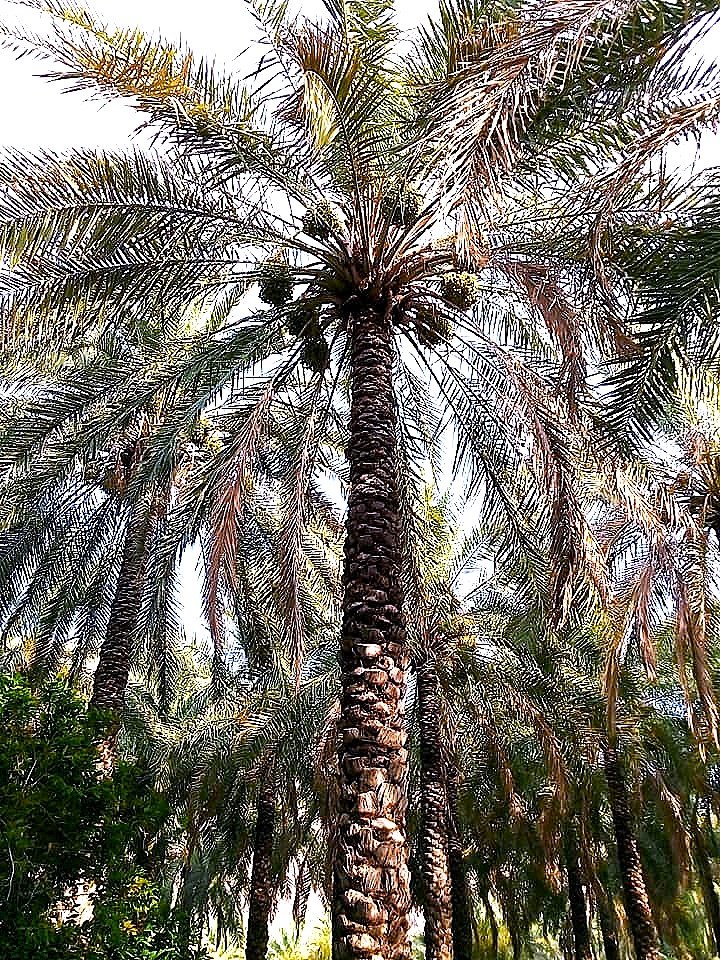
Nakhal Village: Topsy-turvey Roads Leading to the Date Orchard
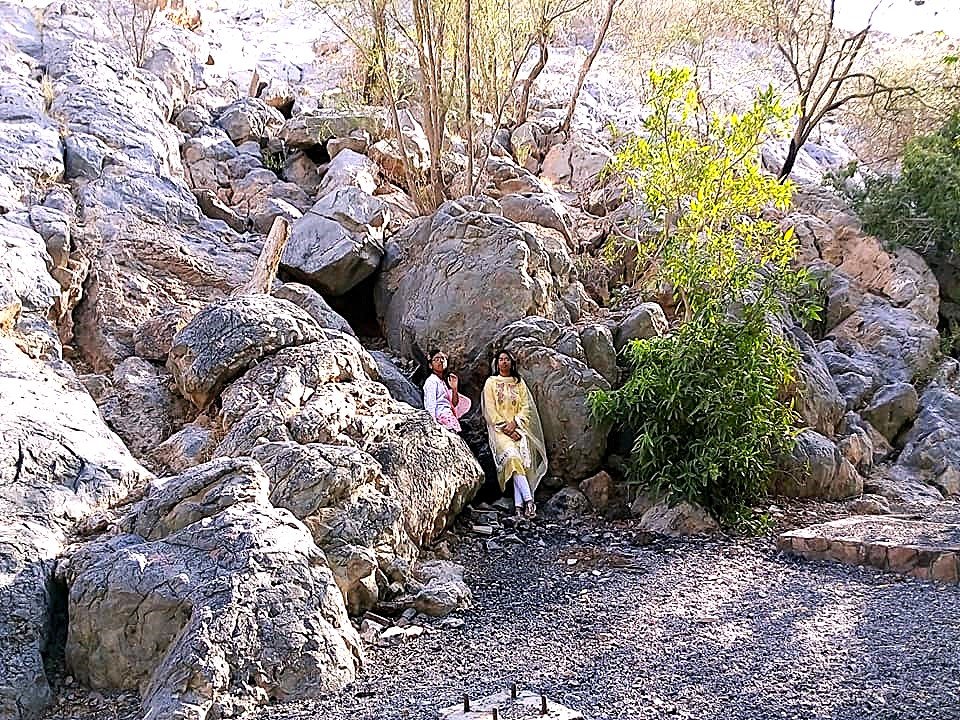
Nakhal Hot Water Spring
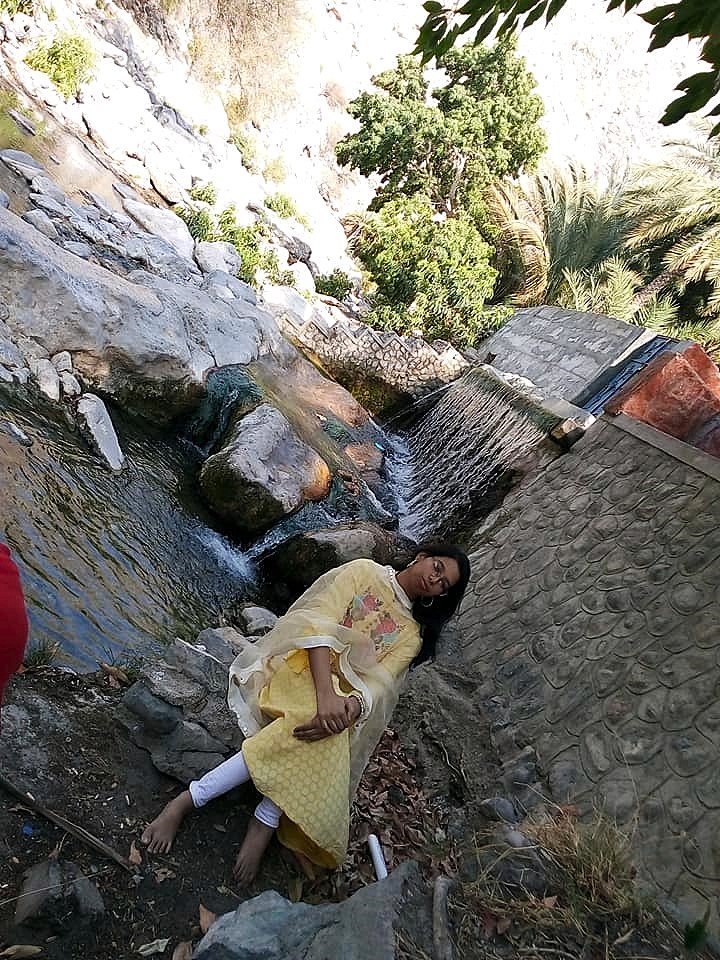
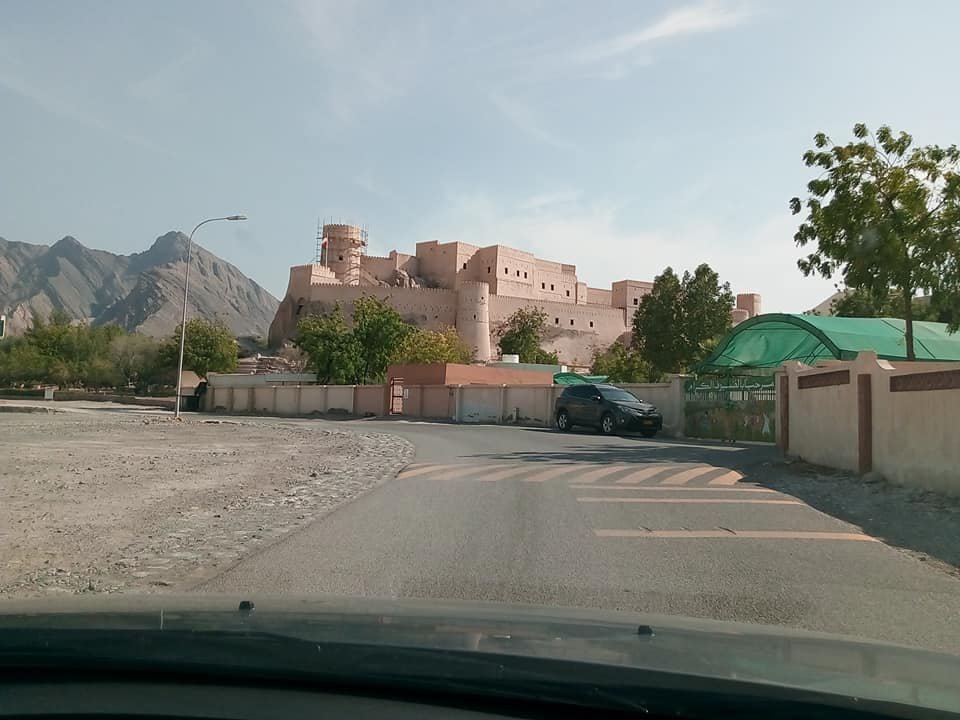
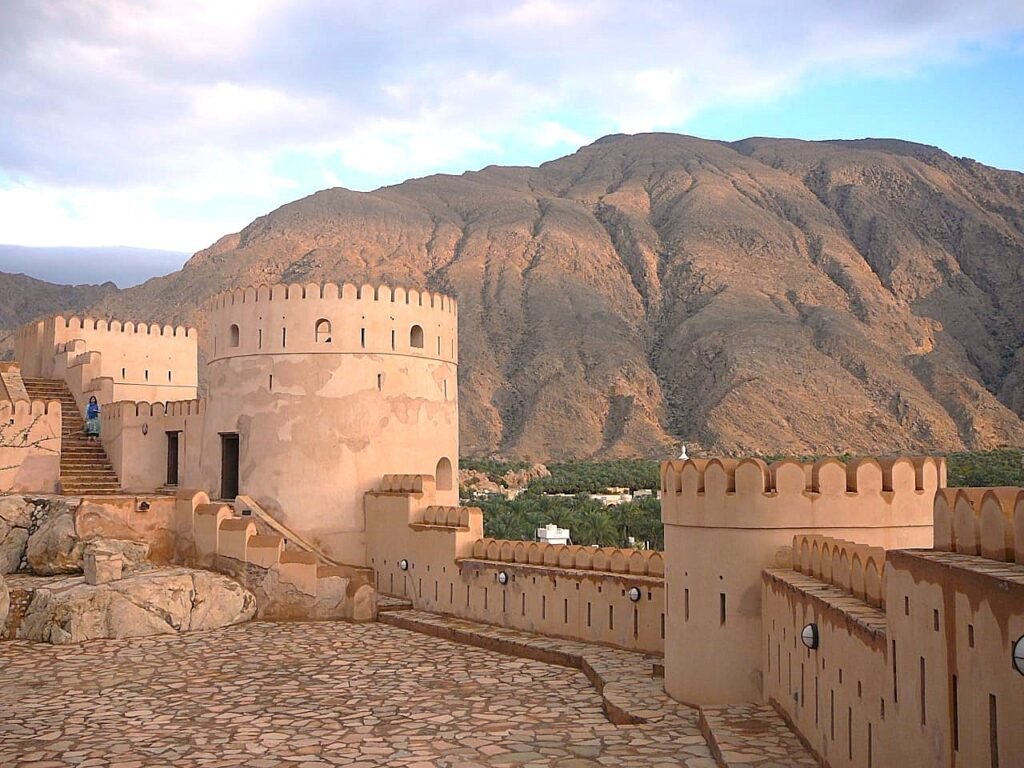
An ancient Fort on way to Nakhal